Callao Cruise Port Guide
Callao is the working-port gateway for cruises serving Lima. A smooth arrival or departure here comes down to the details attached to your own sailing: the correct terminal access point, a clear luggage plan, and transport arranged around the ship's schedule. The cruise facility is equipped to handle passenger embarkation and disembarkation, but the port's multipurpose role makes advance planning more valuable than last-minute improvisation.
Callao cruise port at a glance
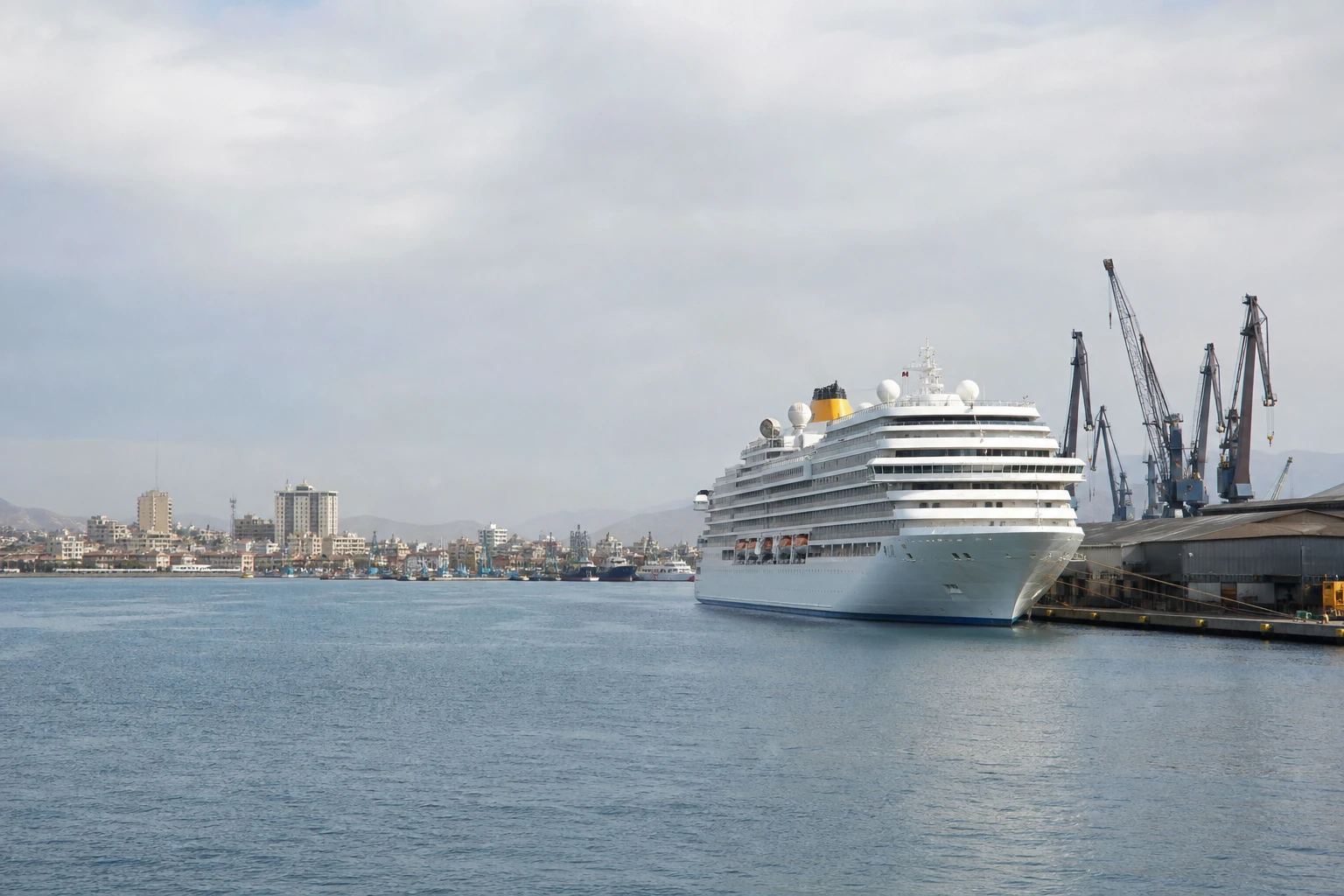
Peru's transport authorities identify the cruise-ship facility as Terminal Norte Multipropósito at the Port of Callao. Operated by APM Terminals Callao, it has infrastructure for cruise passenger embarkation and disembarkation. Callao is Peru's principal port, and the terminal's multipurpose designation is an important clue for travelers: treat it as an organized working-port handoff, with your ship's directions and onward transport already in place.

Lima: Palomino Islands Excursion & Swimming with Sea Lions with Hotel Transfers
Come enjoy a 2.5-hour speedboat excursion to 05 different islands into the Pacific Ocean with a swimming experience with sea lions included. Admire th...
- Use your cruise line's final message for the terminal gate, arrival time, luggage procedure, and day-of contact details.
- Arrange a transfer before travel, then confirm the pickup point against your sailing instructions.
- Ask for an all-in transport quote rather than relying on generic fare estimates.
- Confirm mobility arrangements with both the cruise line and your transfer operator before booking.
- Do not build an independent Callao outing around an assumed walk from the terminal.
Where cruise ships dock in Callao
Cruise passengers use Terminal Norte Multipropósito within the Port of Callao. The facility is designed to support passenger vessel operations as well as the broader activity of a multipurpose port. That distinction matters when choosing how to spend embarkation or disembarkation day: keep the terminal transition simple, follow the designated access instructions, and organize the next step of your journey before arriving at the port.
The multipurpose designation leads to a useful planning inference. Callao works best as a port handoff rather than a place to treat like a self-contained leisure terminal. Keep essential documents and medication with you, know where your ride will meet you, and avoid building a tight city plan around time spent at the facility itself. The ship's final directions should always override a generic port search or an old itinerary page.
Keep port day separate from sightseeing time
A shore day has a fixed ship deadline, while an embarkation or disembarkation day can involve luggage, transport, and sailing-specific procedures. Give independent plans enough slack that a delayed handoff does not turn into a race back to the ship. If a local stop matters to you, arrange it as a defined transport plan with a clear return or onward destination rather than as an unstructured walk from the port.
Timing: let your cruise line set the clock
Your cruise line's final instructions are the reference point for the gate, arrival or release window, baggage procedure, and boarding or disembarkation sequence. Ship calls are sailing-specific, so use the information sent for your exact vessel and date. This is especially important at Callao, where a historical public cruise-call listing does not serve as a current passenger timetable.

- Read the final cruise documents before confirming an independent ride or city appointment.
- Match any pickup to the terminal information supplied for your sailing, not simply to a search for “Port of Callao.”
- Keep the cruise line's day-of contact details and your transport confirmation easy to reach.
- On a departure day, work backward from the cruise line's requested arrival time and leave a buffer for the journey to the port.
- On a port call, set an earlier personal return target than the ship's final all-aboard time.
When a cruise connects with a hotel stay or a flight, resist packing every hour into the transition day. A plan with breathing room is easier to manage than one that depends on an exact terminal exit or road journey. Confirm the meeting point and departure time shown in your booking confirmation, then keep your remaining plans flexible until you are clear of the port.

Lima to Paracas: Islands, Slave Tunnels & National Park in 1 day!
Make the most of a full day from Lima: cruise the wildlife-rich Ballestas Islands on a guided boat tour to look for...

2 Day Tour from Lima: Nazca Lines Flight, Paracas, and Huacachina
Experience three of Peru’s most iconic destinations in just two days — without the stress of planning. This all-...

Peruvian Cooking Class, Local Market Tour & Exotic Fruit Tasting
This unique culinary experience offers three great options: beef, chicken, and fish, all carefully selected by our t...
Transfers, taxis, and parking: arrange the details before travel
Transport costs and arrangements vary, so obtain an all-in quote for your specific destination before travel. The quote should make clear where the driver will meet you, what luggage is included, how long the driver will wait, and the full amount due. If your cruise line offers a transfer that suits your plans, it can simplify the handoff. If you arrange your own ride, confirm it against the terminal details issued for your sailing.
| Transfer approach | Useful when | What to confirm |
|---|---|---|
| Cruise-line transfer | Your sailing offers one and you want a single, ship-coordinated handoff | Pickup instructions, luggage rules, destination, and total cost |
| Pre-booked private transfer | Your destination and group size are set | Exact meeting point, vehicle suitability, waiting time, and all-in quote |
| Hotel-arranged ride | You are continuing to an overnight stay | That the hotel has the terminal details and your scheduled pickup window |
| Driving and parking | You intend to arrive with a vehicle | Location, availability, price, and terminal entry procedures before setting out |
For city movements after the port handoff, Lima safety, taxi, and coastal-fog logistics deserve their own plan. Keep that plan separate from the immediate cruise transfer, because the first priority is reaching or leaving the terminal on the timetable set by your sailing. Avoid choosing a ride solely on a low headline figure when the meeting place, luggage handling, and final destination are still unclear.
Accessibility needs should be confirmed in advance
Callao can handle cruise passengers, but travelers who need mobility support should make a shared plan with the cruise line and the booked transfer operator before travel. Confirm the accessible drop-off or pickup arrangement, the route between vehicle and passenger handling area, and the equipment or assistance needed for your party. Do not assume that a standard transfer vehicle or terminal approach will meet a particular accessibility requirement.
- Describe the mobility device or assistance required when making the booking.
- Confirm whether the vehicle can accommodate the traveler, companions, and luggage together.
- Ask how the pickup or drop-off point connects to the cruise passenger process.
- Request clear instructions for wheelchair handling, vehicle access, and any assistance between vehicle and terminal.
- Keep the confirmations for the cruise line and transfer operator together for port day.
This advance conversation is particularly useful on embarkation day, when a change to the meeting point can ripple through the rest of the schedule. Share your cruise line's final port instructions with the transfer provider, and make sure the cruise line knows about any assistance needed during the passenger process. One coordinated plan is far more useful than separate assumptions made by different providers.
Use sensible safety habits on port day
The U.S. Department of State travel-advisory index available on July 25, 2026 lists Peru at Level 2, “Exercise Increased Caution.” Its detailed Peru advisory is dated May 16, 2025 and cites crime, civil unrest, and kidnapping risk, including crime that can occur in daylight. This is a country-level advisory, not a Callao-port-specific warning, but it supports a straightforward approach: use planned transport and avoid demonstrations and large crowds.
On the day, keep passports, cruise documents, phones, and payment cards secure and out of casual view. Stay focused on the confirmed meeting point rather than accepting vague directions from strangers. Travelers continuing into Lima should give themselves time to settle in before beginning independent sightseeing, especially after a long travel day or a tight ship-to-hotel transition.
Still comparing Callao Cruise Port Guide?
Ask for tour ideas, hotel suggestions, or a simple trip plan that combines both.
Trip Helper
Callao and Lima plans after the ship
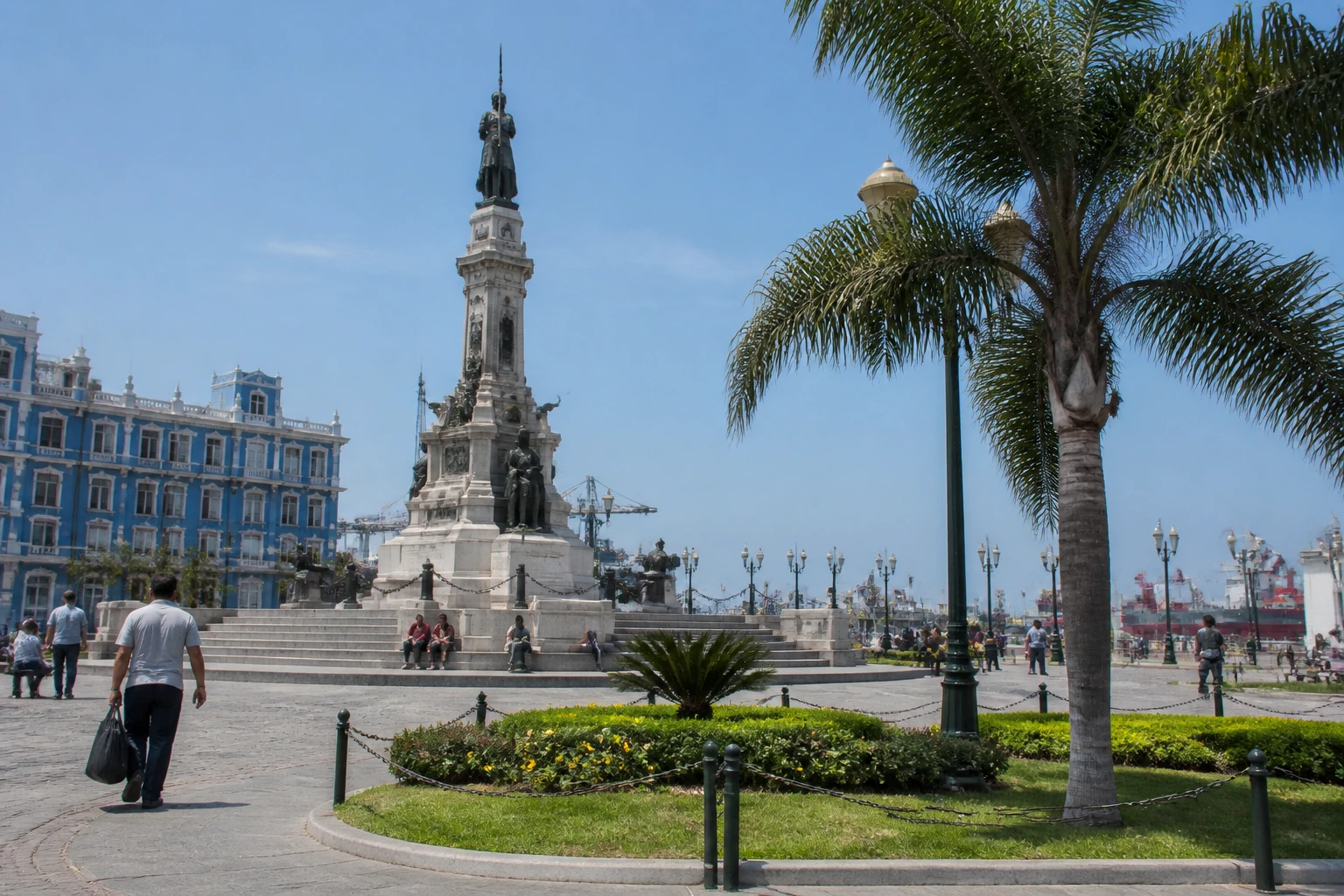
For travelers with a deliberately planned Callao visit, the Plaza de Armas del Callao and its monument to naval hero Miguel Grau provide a named local point of interest. Treat this as a separate destination plan, not as a promised terminal outing. The available visitor information does not establish a walkable or port-organized route from the cruise facility, so arrange transport and timing around your sailing before adding it to the day.
A two-hour Historic Center walking route through old Lima fits better on a day reserved for an independently timed city outing than in a rushed port turnaround. The same principle applies to choosing accommodation: a guide comparing where to stay in Lima across Miraflores, Barranco, and San Isidro can help shape a pre- or post-cruise stay once the port transfer is already settled.
A practical pre- or post-cruise strategy
Reserve the cruise transition day for the port, luggage, and transport. Then place hotel nights and independently timed Lima activities on days that are not controlled by a ship deadline. This approach gives you more freedom to enjoy the city without treating a working port arrival as a sightseeing starting point. It also makes it easier to choose the transfer that fits your actual schedule rather than an imagined one.
The bottom line for Callao cruise travelers
Callao is a practical cruise gateway when you plan it as one. Follow the final instructions for your exact sailing, book onward transport with a clear all-in quote, and give yourself time around luggage and passenger procedures. Travelers with accessibility needs should arrange support early, while anyone adding Callao or Lima sightseeing should schedule it around the ship, not the other way around. That simple order of priorities makes port day calmer and more reliable.
Frequently asked questions
What terminal do cruise ships use in Callao?
Cruise passengers use Terminal Norte Multipropósito at the Port of Callao. The terminal has infrastructure for cruise passenger embarkation and disembarkation, but your cruise line's final documents identify the instructions for your specific sailing.
How do I find the right Callao cruise port gate?
Use the gate and arrival instructions sent by your cruise line for your exact vessel and date. Do not rely on a generic port listing, because passenger access and timing are sailing-specific.
Should I arrange transportation from Callao cruise port in advance?
Yes, arranging transportation in advance is the most practical approach. Confirm the terminal meeting point, luggage terms, destination, waiting time, and all-in price before travel.
Can I walk from the cruise terminal to Callao attractions?
Do not assume a walkable sightseeing route from the terminal. The Plaza de Armas del Callao and Miguel Grau monument are local points of interest for a planned visit, but transport and timing should be arranged independently around the ship's schedule.
Is Callao cruise port accessible for wheelchair users?
Accessibility arrangements should be confirmed in advance with both your cruise line and transfer operator. Ask specifically about the vehicle, pickup or drop-off point, route to passenger handling, and assistance required.
Is Callao safe for cruise passengers?
Use the same sensible precautions you would use for travel elsewhere in Peru: arrange transport, secure valuables, and avoid demonstrations and large crowds. The U.S. travel-advisory index lists Peru at Level 2, which is a country-level advisory rather than a Callao-port-specific warning.

3 Day Tour to Machu Picchu from El Callao Port Lima
Discover the wonder of Machu Picchu on an unforgettable journey designed exclusively for cruise passengers docking at the Port of Callao. This private...

Full Day Private Shore Tour in Lima from Callao Cruise Port
Experience our Private Full Day Shore Excursion tailored exclusively for Cruise Ship Passengers! Embark on a serene...
Lima: Palomino Islands Excursion & Swimming with Sea Lions with Hotel Transfers
Come enjoy a 2.5-hour speedboat excursion to 05 different islands into the Pacific Ocean with a swimming experience...

A Journey Through Time: Lima's Historic Center & Catacombs Tour
⚠️ Important: The price shown corresponds to the ESSENTIAL option. Full experiences such as hotel pickup and tic...
Lima: Palomino Islands Excursion & Swimming with Sea Lions with Hotel Transfers
Come enjoy a 2.5-hour speedboat excursion to 05 different islands into the Pacific Ocean with a swimming experience with sea lions included. Admire th...
Experiences to explore
 Explore experience ↗
Private Transfer from Lima City Hotels to Callao Cruise Port
◷ 40 min
Book your Private Transfer from Lima city hotels to Callao Cruise Port. Don't go through all the hassle of waiting in a long taxi or sh
See dates for Current pricing
View dates Explore experience ↗
Private Transfer from Lima hotels to Callao Cruise Port
◷ 45 min
Book your private transfer from Lima hotels to Callao Cruise Port. Avoid the hassle of waiting in long taxis or shared shuttle queues a
See dates for Current pricing
View dates Explore experience ↗
Private Transfer from Lima city hotels to Callao Cruise Port
◷ 40 min
Book your Private Transfer from Lima city hotels to Callao Cruise Port. Don't go through all the hassle of waiting in a long taxi or sh
See dates for Current pricing
View dates