5 Days in Lima Itinerary
Five days in Lima gives you room to explore its key visitor areas without turning every day into a cross-city dash. This itinerary gives the Historic Center, Miraflores, and Barranco their own time, then reserves a museum-focused day and one flexible day for changes in your arrival plans, venue calendars, or energy level.
Treat these as five usable sightseeing days. Keep arrival and departure days light, especially if you have an airport transfer to make. Demonstrations can occur with little warning and may affect roads and airport routes, so a little breathing room is one of the most valuable things you can add to a Lima plan.

Discover Lima: Love Park, Historic Center, and its Catacombs.
⚠️ Important: The price shown corresponds to the ESSENTIAL option. Full experiences such as hotel pickup and tickets to the San Francisco Convent...

A Journey Through Time: Lima's Historic Center & Catacombs Tour
⚠️ Important: The price shown corresponds to the ESSENTIAL option. Full experiences such as hotel pickup and tic...

Miraflores, Barranco & San Isidro - Districts Tour (Small Group)
Discover the most beautiful and iconic areas of Lima in one unforgettable tour. Visit an ancient archaeological site...

All-Inclusive Highlights of Lima Tour
This tour is special because in around 8 hours you will have the opportunity to explore the most beautiful places of...
- Give the Historic Center, Miraflores, and Barranco separate days to limit unnecessary backtracking.
- Use a prearranged transfer, authorized airport taxi booth, app-based ride, or hotel-affiliated car when arriving from the airport.
- Keep museum plans flexible and check each venue’s official calendar shortly before visiting.
- Use taxis or app-based rides for a more controlled point-to-point option, particularly after dark.
- Carry only what you need, keep phones secured, and leave extra time for airport-bound trips.
A five-day Lima itinerary at a glance
| Day | Area and focus | Planning priority |
|---|---|---|
| Day 1 | Historic Center | Take a measured daytime route and keep the evening simple. |
| Day 2 | Miraflores | Spend the day around the district and its central park. |
| Day 3 | Barranco | Pair the municipal park area with museums, including MAC if it fits. |
| Day 4 | MALI and museum time | Build around MALI, with a second cultural stop only if calendars align. |
| Day 5 | Flexible Lima day | Return to a favorite district, absorb a delayed plan, or add an extra museum visit. |
The order is deliberately adaptable. If your flight arrives late, move the flexible day to the front. If a museum is closed or its entry arrangements change, swap it with a neighborhood day rather than trying to force several distant stops into one afternoon.
Day 1: Start in Lima’s Historic Center
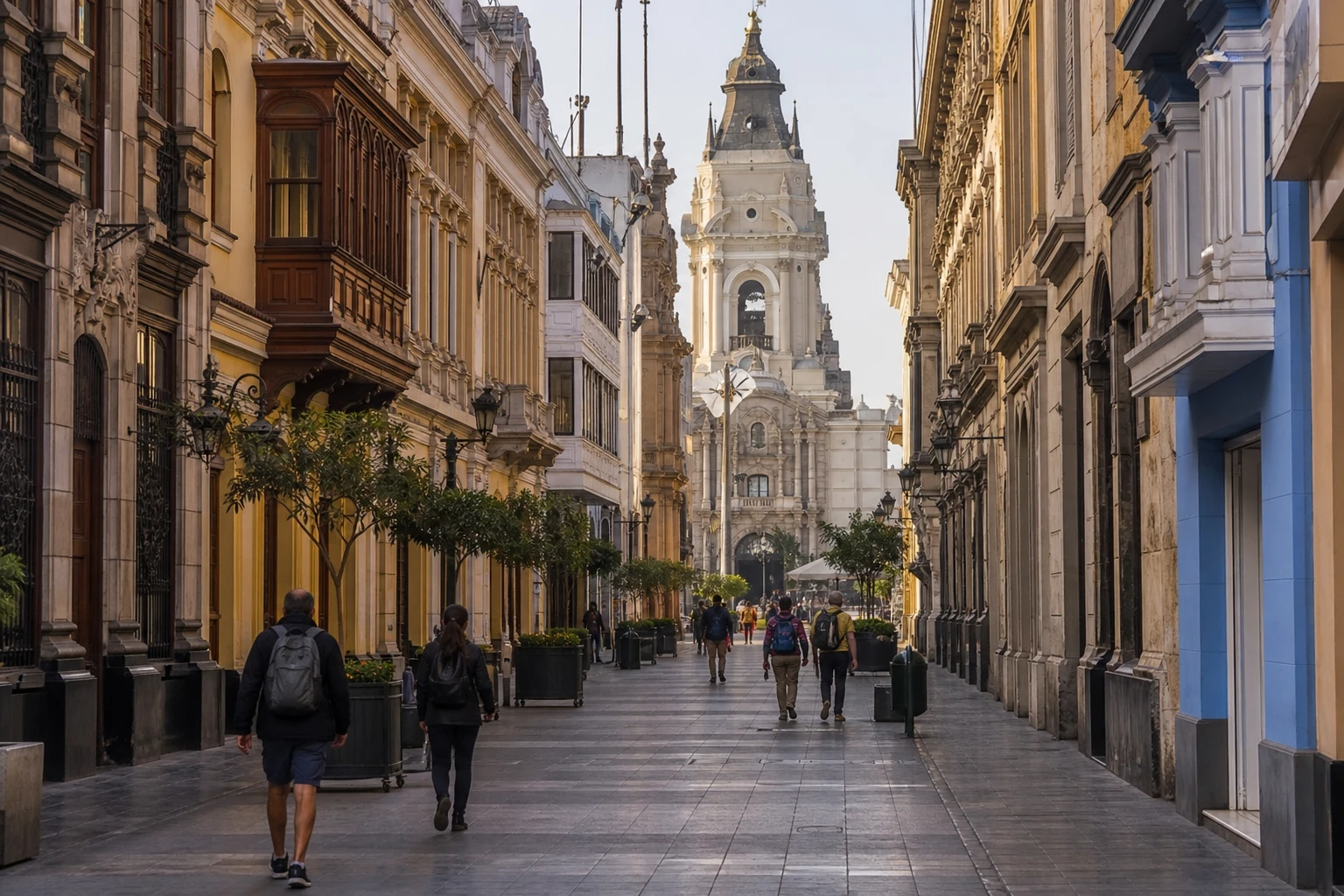
Begin with the Historic Center, one of Lima’s essential visitor areas. Give it a full daytime block rather than treating it as a quick detour between other neighborhoods. A slower approach leaves space to follow the rhythm of the area, pause where it interests you, and avoid building your first day around a tight series of transport connections.
A dedicated Historic Center Walking Route is useful if you want a more structured self-guided plan for this day. Keep valuables close, carry only the cash and cards you expect to use, and avoid leaving your phone out while walking. For the evening, use a controlled ride option instead of extending the day along isolated walking routes after dark.
Day 2: Settle into Miraflores
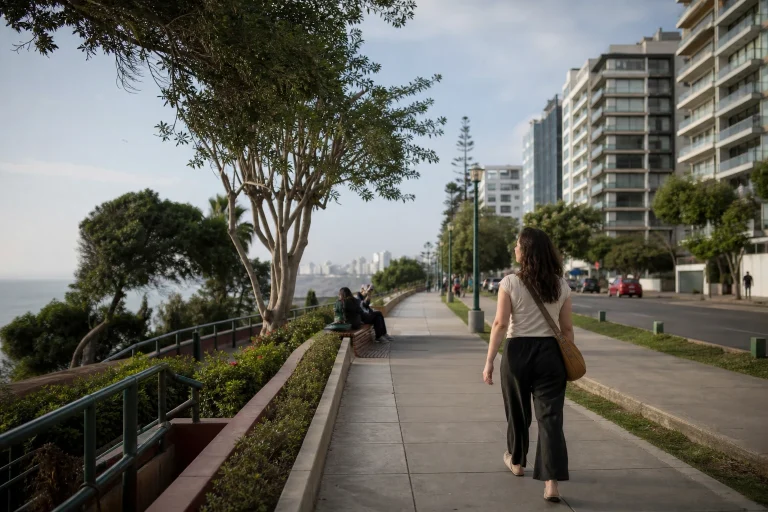
Devote your second day to Miraflores and its central park, another Lima highlight identified by Peru’s national tourism site. Keeping the day within one district gives the itinerary a calmer cadence after the Historic Center and makes it easier to leave room for meals, unplanned stops, and a relaxed evening without racing the clock.
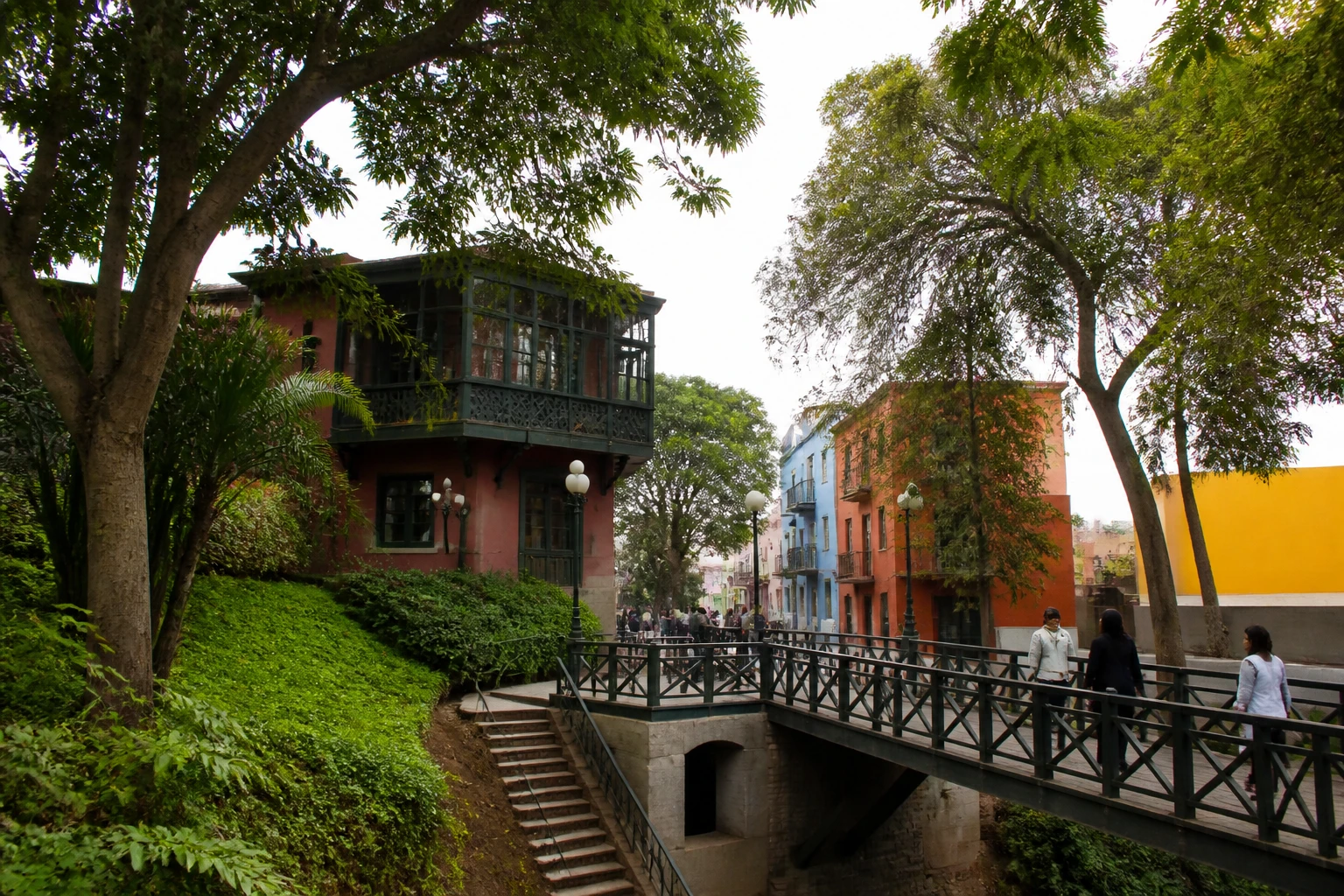
Use the Miraflores Lima Travel Guide as a companion when choosing how to shape the day around the district. If you are heading out after dark, an app-based ride or taxi offers a more controlled point-to-point choice than walking long distances. Public transport can be crowded, so keep bags zipped and pay close attention to belongings.
Day 3: Explore Barranco and contemporary art
Make Barranco your focus on day three. The district’s municipal park and its museums are among Lima’s visitor highlights, and placing them together avoids unnecessary travel between far-apart parts of the city. Begin with the area you most want to see, then let museum calendars determine the rest of the afternoon.
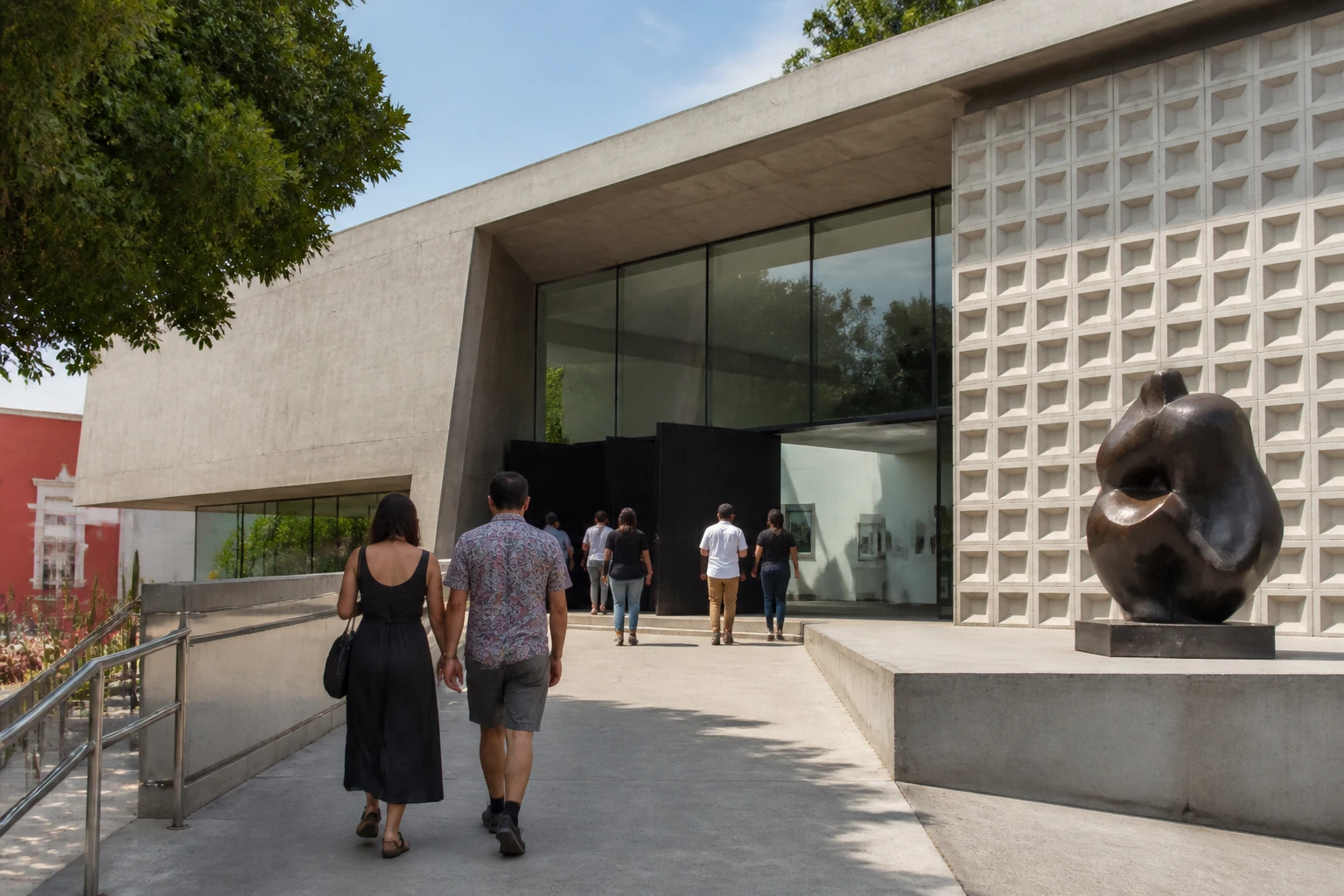
The Museo de Arte Contemporáneo, or MAC, is one option in Barranco. Peru’s tourism listing gives a foreign-adult admission reference price of S/20, although that figure does not have a clearly stated current effective date. Reconfirm admission, opening times, and entry conditions before you go. The Barranco Neighborhood Guide can help you give the wider district the time it deserves.

Private transport from or to Lima´s Jorge Chavez airport
Discover an unparalleled travel experience! Our transportation service stands out for its comfort and convenience, e...

Lima Bike Tour in Miraflores & Barranco - Shared small group
Discover the most touristic districts of Lima by bike: Miraflores & Barranco. On this adventure you will be able to...

Lima: Palomino Islands Excursion & Swimming with Sea Lions with Hotel Transfers
Come enjoy a 2.5-hour speedboat excursion to 05 different islands into the Pacific Ocean with a swimming experience...
Day 4: Make time for MALI and a second cultural stop
Set aside day four for MALI, which Peru’s tourism site includes among Lima’s cultural highlights. Keep the day intentionally open-ended. MALI can be the main event, with a second museum only if its schedule, entry requirements, and your own pace make that sensible.
Check official museum calendars immediately before this day. Do not assume a particular opening day, fixed hours, timed entry, or walk-in availability. This small piece of planning protects the itinerary from the most frustrating kind of travel-day surprise: arriving ready for art and finding a closed door instead.
Day 5: Keep one day flexible
Use the final day as your release valve. Return to the district that felt most compelling, fit in a museum you could not visit earlier, or simply keep the day available if a flight delay, road disruption, or venue calendar forced a change. This is what turns a five-day outline into a plan that can handle real travel conditions.
Keep this day geographically focused too. Revisiting Miraflores, Barranco, or the Historic Center is usually a better use of time than trying to stitch together several unfinished fragments from across the city. If ceviche is on your list, use a guide to where to eat ceviche in Lima to choose a meal stop within the district you have selected for the day.
Arriving from the airport and reaching your hotel
Arrange your airport transfer in advance where possible. At Lima airport, authorized taxi booths offer destination-based flat rates; app-based services and hotel-affiliated car services are other controlled options. Avoid hailing an unknown street taxi, and keep luggage and valuables out of sight during the ride.
The Lima Airport to Miraflores Transportation Guide is a useful planning companion for travelers staying in that district. Whatever transfer you choose, do not schedule an immovable activity right after landing. Roads and airport routes can be affected by demonstrations, so build a substantial time buffer and check local conditions shortly before travel.
Getting around without overpacking each day
For point-to-point trips, taxis and app-based rides are the more controlled choice, particularly after dark. Public transport can be crowded and demands more attention to personal belongings. The State Department also notes that many buses, taxis, and rideshares do not have safety features such as seat belts and airbags, so use sound judgment with every trip.
Avoid planning this itinerary minute by minute. Keep one major area as the anchor for each day, then use a ride when a transfer is genuinely worthwhile. That structure reduces the stress of traffic delays and makes it easier to adjust if a road closure changes your route.
Museum costs, calendars, and accessibility planning
Aside from MAC’s listed S/20 foreign-adult reference price, do not rely on this itinerary for fixed attraction costs. Museum prices, opening dates, closures, timed-entry arrangements, and reservations should be checked directly with each venue immediately before your visit. Build the day around confirmed entries, not the other way around.

Travelers with accessibility needs should contact each museum and their accommodation before committing to the order of days. Confirm the specific arrangements you need, including arrival access and facilities, early enough to revise the itinerary if necessary.
Still comparing Lima Airport Transfer And City Itinerary?
Ask for tour ideas, hotel suggestions, or a simple trip plan that combines both.
Trip Helper
Practical safety habits for five days in Lima
A Journey Through Time: Lima's Historic Center & Catacombs Tour
⚠️ Important: The price shown corresponds to the ESSENTIAL option. Full experiences such as hotel pickup and tickets to the San Francisco Convent...
Discover Lima: Love Park, Historic Center, and its Catacombs.
⚠️ Important: The price shown corresponds to the ESSENTIAL option. Full experiences such as hotel pickup and tic...
Miraflores, Barranco & San Isidro - Districts Tour (Small Group)
Discover the most beautiful and iconic areas of Lima in one unforgettable tour. Visit an ancient archaeological site...
All-Inclusive Highlights of Lima Tour
This tour is special because in around 8 hours you will have the opportunity to explore the most beautiful places of...
Peru is listed by the U.S. Department of State at Level 2, “Exercise Increased Caution,” citing crime, civil unrest, kidnapping, and terrorism risks. In Lima, crime including pickpocketing and robbery occurs, with greater risk at night.
This is country-level guidance, not a judgment on every neighborhood. Apply a few steady habits throughout the trip: secure your phone rather than using it openly while walking, use indoor bank or mall ATMs, avoid isolated routes after dark, and remain alert when drinking because drink-spiking and theft are risks. Do not resist an armed robber.
For a deeper look at everyday logistics, consult our Lima Safety and Transport Tips before you arrive. The core idea is simple: make careful choices routine, use controlled transport when it counts, and keep the itinerary loose enough to respond to local conditions without losing the shape of the trip.
Make this Lima itinerary work for your travel style
This five-day route suits travelers who prefer a city trip with time to linger rather than a checklist of rushed stops. Its strength is the geographic rhythm: Historic Center first, then Miraflores, Barranco, MALI, and a flexible final day. Its limitation is that museum calendars and road conditions can reshape plans, so confirm entries and transfers before setting out each morning.
Book the airport transfer, choose your hotel base, and verify museums before you leave home. Once those foundations are set, Lima rewards an itinerary with room for a second look, an unhurried meal, and a change of plan when the city asks for one.
Frequently asked questions
Is five days enough time in Lima?
Yes. Five usable days allow separate time for the Historic Center, Miraflores, Barranco, MALI, and a flexible day for a return visit or a schedule change.
Should I book Lima museums in advance?
Check each museum’s official calendar before visiting and book if the venue’s current rules require it. Opening hours, closure days, timed entry, and reservation policies vary and should not be assumed.
How should I travel from Lima airport to my hotel?
Use a prearranged transfer, an authorized airport taxi booth, an app-based service, or a hotel-affiliated car service. Avoid unknown street taxis, keep valuables out of sight, and allow extra time in case road conditions affect the route.
Is it safe to use public transport in Lima?
Public transport can be used, but stay alert because it can be crowded and requires close attention to belongings. For more controlled point-to-point trips, especially after dark, use a taxi or app-based ride rather than a street-hailed taxi.
How much does MAC in Barranco cost?
Peru’s tourism listing gives a foreign-adult reference price of S/20 for MAC. Reconfirm the current price and entry conditions before visiting because the listed figure does not show a clearly current effective date.