Where to Eat in Lima
Deciding where to eat in Lima begins with one useful fact: the city’s food culture reaches far beyond formal restaurants. Five-star hotels, cevicherías, pollo-a-la-brasa shops, markets, chifas, and informal huariques all belong in the plan. Miraflores offers convenient variety, while Barranco combines dining with an artistic neighborhood setting. The best approach is to mix one planned meal with several flexible, less formal choices.
- Use Miraflores when restaurant variety and convenience are the main priorities.
- Choose Barranco when dinner is part of an evening exploring an artistic, characterful district.
- Try more than ceviche. Chifa, tiradito, pollo a la brasa, markets, and huariques broaden the experience.
- Reserve destination restaurants early, then leave room for spontaneous casual meals.
- Check current menus, hours, reservation terms, accessibility, and transport arrangements before setting out.
Lima rewards variety more than a checklist of famous dining rooms. A cevichería introduces one of the capital’s signature dishes. A chifa reflects the Chinese influence woven into local cooking. A market or huarique offers a more informal setting, while a reservation-first restaurant can become the centerpiece of the trip. Choosing across these categories creates a fuller picture of the city’s cuisine.
The best Lima districts for travelers who want to eat well
Miraflores is the most practical starting point for many visitors. Its destination-marketing directory lists a broad range of restaurants, making it easier to compare several options within the district. That variety is particularly useful when a group has different budgets or preferences. The Miraflores Lima travel guide can help you place meals around the wider neighborhood rather than treating dinner as an isolated stop.
Miraflores for choice and convenience
Choose Miraflores when you want flexibility. It supports casual meals, polished dining, and an upscale Nikkei experience at Maido. The district works especially well for a short stay because travelers can build several different meals around one base. A broad directory does not mean every restaurant suits every budget or dietary requirement, so compare the live menu and booking details before committing.
Barranco for dinner with neighborhood character
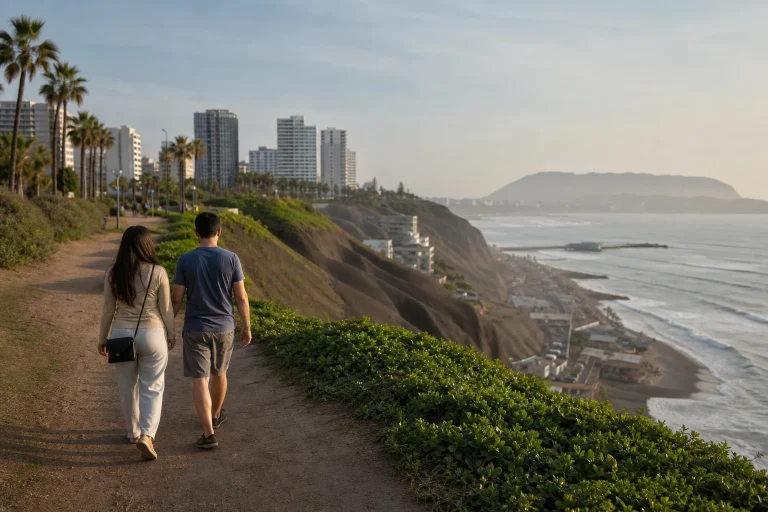
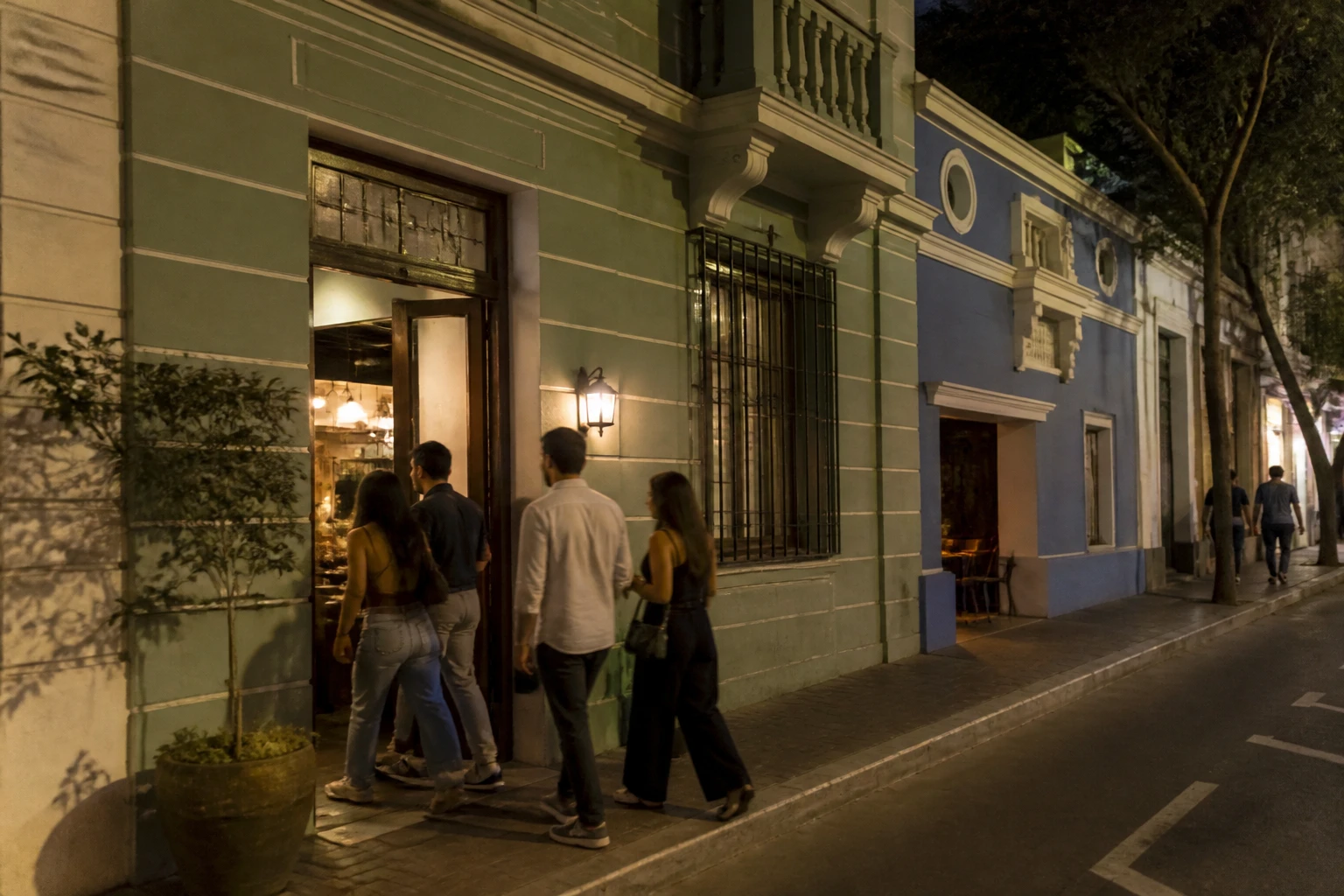
Barranco is the stronger choice when the setting matters as much as convenience. Its municipal tourism office describes the district as picturesque, bohemian, artistic, and cultural. A meal here can anchor a broader evening among the neighborhood’s streets and cultural atmosphere. A slow afternoon in Barranco, including its murals, mansions, and Bridge of Sighs, provides a natural lead-in to dinner.
Central is also in Barranco, at Pedro de Osma 301, which makes the district relevant to travelers planning a major reservation. Barranco’s older, uneven streetscape can present practical concerns for some visitors. Confirm step-free access, accessible restrooms, and any other mobility requirements directly with the restaurant before booking.
Moving between Miraflores and Barranco
The Miraflores–Barranco tourist-corridor bridge opened to the public on August 21, 2025, adding a walking connection between the two districts. Check current operating conditions before relying on it. Ground transport remains the practical alternative after dark or when weather, luggage, mobility needs, or personal comfort make walking undesirable. Lima safety, taxi, and coastal-fog logistics offer useful context for arranging the return journey.
What to eat in Lima beyond a single famous dish
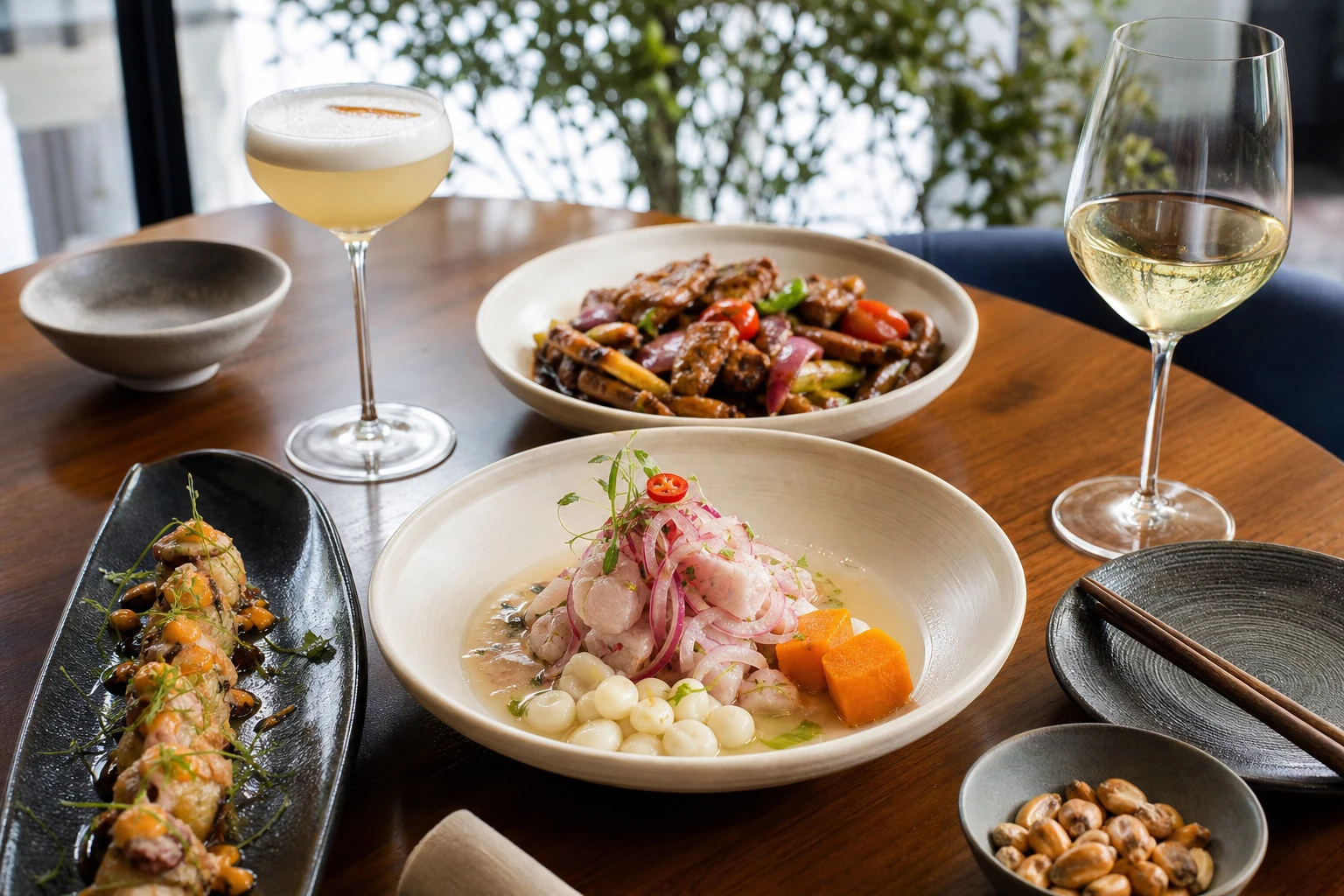
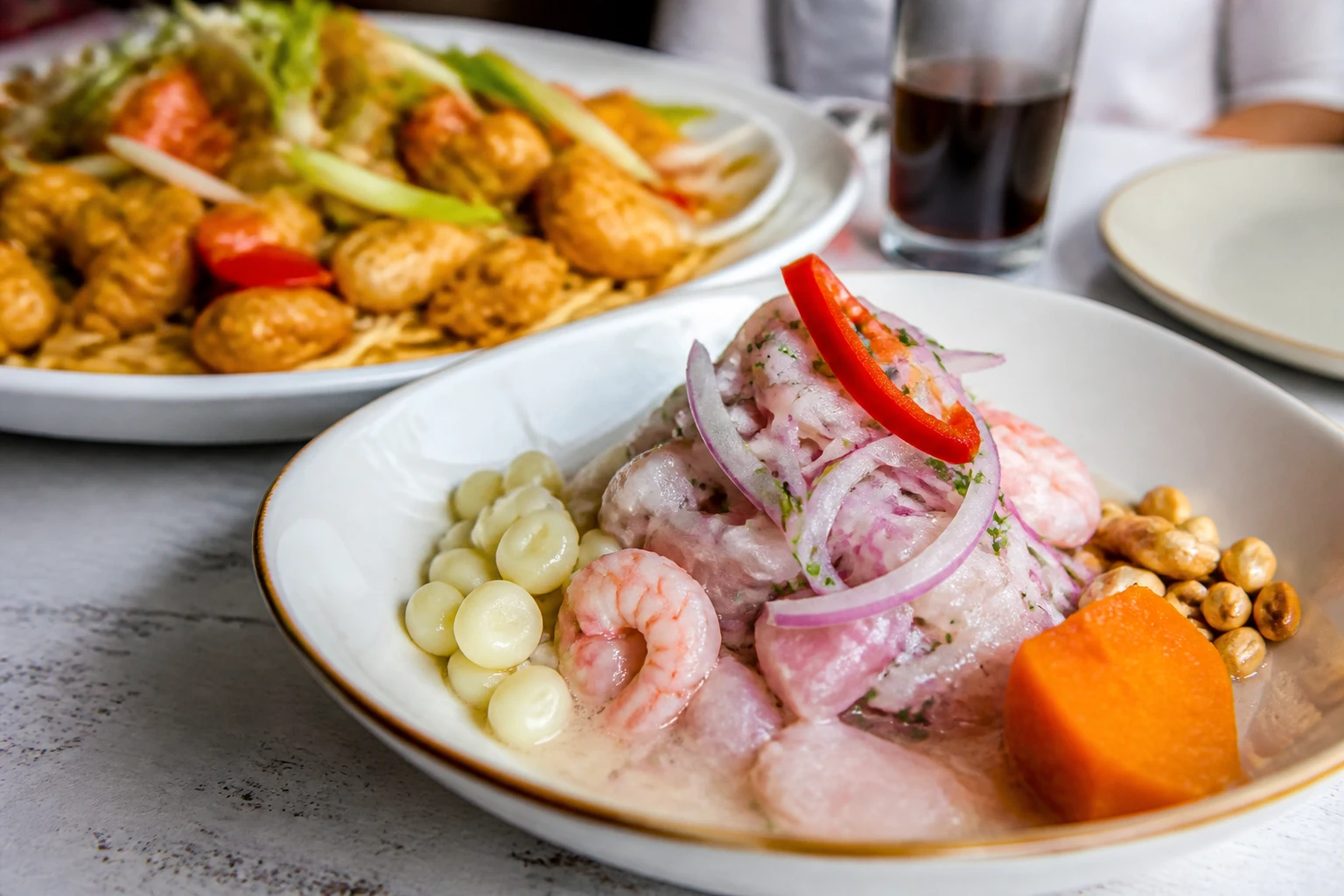
Ceviche and tiradito are signature dishes in Lima, so either can provide a natural first encounter with the city’s seafood cooking. Still, building every meal around the same dish misses the breadth of the capital’s food culture. Lima’s cooking reflects Indigenous, African, and Chinese influences, and those connections are central to understanding what appears on local tables.
Cevicherías for a signature Lima experience
A cevichería deserves space in most food itineraries because ceviche is one of Lima’s defining dishes. Avoid choosing solely by a social-media photograph or a convenient location. Review the current menu, consider how the meal fits your budget, and pick a venue that matches the formality you want. The guide to where to eat ceviche in Lima without falling into a tourist trap offers a more focused way to compare this category.
Still comparing Sightseeing?
Ask for tour ideas, hotel suggestions, or a simple trip plan that combines both.
Trip Helper
Chifas and Lima’s Chinese-Peruvian tradition
Treat chifa as an essential Lima dining category rather than a backup choice for international food. Chifas express the Chinese-Peruvian strand in the city’s cuisine, placing them within Lima’s culinary identity. They are a useful counterpoint to seafood-centered meals and help prevent a short itinerary from becoming repetitive.
Huariques, markets, and pollo-a-la-brasa shops
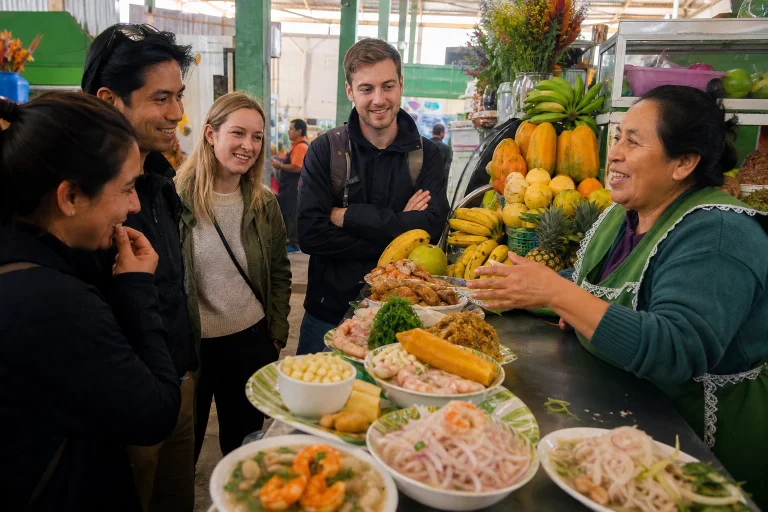
Huariques are informal restaurants and belong beside markets and pollo-a-la-brasa shops in Lima’s wider dining landscape. These categories make it possible to alternate planned restaurant meals with less formal stops. Travelers interested in market food can use the Mercado Surquillo food tour guide to understand how a market visit can fit into a day based around Miraflores.
How to choose the right dining style
Start by deciding what role the meal should play. A convenient restaurant near your accommodation solves a logistical need. A cevichería introduces a signature dish. A chifa adds cultural and culinary range. A huarique or market brings a more informal pace. A destination restaurant demands more advance planning and a larger budget. Lima can support all of these approaches within one trip.
| Dining priority | Best starting point | Planning approach |
|---|---|---|
| Maximum choice in one visitor-friendly district | Miraflores | Compare current menus and reserve important meals before arrival. |
| Food paired with an artistic neighborhood evening | Barranco | Plan dinner as part of a wider district visit and arrange the return journey. |
| Signature Lima dishes | A cevichería serving ceviche or tiradito | Use a current menu to select the style and formality you prefer. |
| Chinese-Peruvian cuisine | A chifa | Include it as a core Lima meal rather than an international-food substitute. |
| Informal local dining categories | A huarique, market, or pollo-a-la-brasa shop | Keep part of the schedule flexible instead of reserving every meal. |
| Special-occasion experience | Central in Barranco or Maido in Miraflores | Treat the meal as reservation-first and verify live terms directly. |
Balance matters more than collecting restaurant names. If one evening is built around a long-planned dining experience, make the next meal simple and flexible. If ceviche is the focus one day, consider chifa or pollo a la brasa next. This structure leaves room for different influences and dining formats without turning every day into a procession of reservations.
Two destination restaurants to plan around
Central and Maido are the two specific destination restaurants supported for this guide. They occupy different districts and represent different reasons to plan a major meal. Central places a reservation-first experience in Barranco, while Maido offers Nikkei cuisine in Miraflores. Neither should define the entire trip. Use one as an anchor, then explore Lima’s broader mix of cevicherías, chifas, markets, and informal restaurants.
Central in Barranco
Central is located at Pedro de Osma 301 in Barranco. Its official reservation information says online bookings for parties of one to six can be made up to four months ahead. Treat the restaurant as a special-occasion commitment and consult the live booking calendar, since availability changes and older text on reservation pages can become outdated.
Build enough flexibility around the reservation that transport delays or a rushed neighborhood schedule do not dominate the evening. Confirm the current arrival instructions, menu format, dietary procedures, cancellation terms, and accessibility arrangements when booking. Larger parties should follow the restaurant’s current instructions rather than assuming the standard online process applies.
Maido in Miraflores
Maido is in Miraflores and identifies its cuisine as Nikkei, the Japanese-Peruvian tradition. It suits travelers who want an upscale destination meal in the district where they are already staying or spending much of the day. That location can simplify planning, but reservations, menus, and terms should still be checked through the restaurant’s current information.
The most useful comparison is practical rather than competitive. Choose Central when a Barranco setting fits the itinerary and you can plan within its reservation window. Choose Maido when Nikkei cuisine is the priority and Miraflores is the convenient base. Travelers with enough time and budget can consider both, but a varied itinerary does not require two major dining commitments.
How much to budget for eating in Lima
A May 2026 visitor guide provides a loose planning benchmark of about US$10 to US$20 per person at mid-range restaurants and US$40 to US$80 or more for fine dining. These figures are useful only as broad trip-budget ranges. Drinks, tasting menus, service charges, menu changes, and exchange-rate movements can substantially alter the final bill.
| Meal category | Broad per-person benchmark | Important variables |
|---|---|---|
| Mid-range restaurant | About US$10–20 | Venue, dishes ordered, drinks, service charges, and exchange rate |
| Fine dining | About US$40–80+ | Menu format, drinks, supplements, service charges, and exchange rate |
Set the dining budget by day rather than expecting every meal to cost the same. One higher-cost reservation can be balanced with informal restaurants, markets, or pollo-a-la-brasa shops. Check the restaurant’s current menu whenever price will affect the decision. Avoid treating a broad city benchmark as a promise from a specific venue.
Reservation and transport planning that prevents rushed meals
- Reserve the most important restaurant first, especially when the meal is the reason for visiting a district.
- Check the live date, party-size rules, menu format, cancellation terms, and arrival instructions.
- Place flexible meals around that commitment instead of booking every lunch and dinner.
- Review transport arrangements on the day, particularly when moving between Miraflores and Barranco.
- Recheck opening hours and reservation status close to the meal because operating details can change.
Central’s stated four-month window provides a useful planning horizon for parties of one to six. Other restaurants can use different systems, so apply the broader principle rather than assuming identical rules. Lock in the hardest reservation, note its district, and then decide where to spend the surrounding hours. This reduces unnecessary cross-city movement and leaves more room to enjoy the meal.
When moving between Miraflores and Barranco, the tourist-corridor bridge can support a walking plan when current conditions allow. Keep a ground-transport alternative for darkness, poor weather, luggage, mobility concerns, or simple preference. Check the day’s conditions rather than assuming a route or operating schedule will remain unchanged.
Accessibility, allergies, and dietary requirements
Confirm accessibility directly with each restaurant before booking. Public visitor information does not provide dependable venue-by-venue details about step-free entrances, elevators, accessible restrooms, or suitable transport. This is especially important in Barranco, where older and uneven streets can affect the approach to a restaurant as well as entry into the building.
Dietary and allergen procedures also vary by venue. Contact the restaurant before reserving when avoiding an ingredient is medically necessary or when a tasting format must be adapted. Ask about the specific requirement rather than relying on a general label such as vegetarian-friendly or allergy-aware. Confirming once before booking is more useful than trying to resolve the issue after arrival.
- Ask whether the entrance is step-free and whether an elevator is required.
- Confirm the availability and location of an accessible restroom.
- Explain dietary restrictions or allergens clearly before booking.
- Check whether the selected menu can accommodate the requirement.
- Plan suitable transport to the entrance, particularly in Barranco.
A balanced food plan for one, two, or three days
If you have one day
Base the day in Miraflores for access to a broad selection. Choose ceviche or tiradito for one meal, then select a contrasting category such as chifa for the other. If Maido is the main reason for the stop, reserve it first and keep the remaining meal casual. This provides variety without spending the day moving repeatedly between districts.
If you have two days
Give one day to Miraflores and one to Barranco. Use Miraflores for variety and Barranco for a meal paired with its artistic neighborhood atmosphere. Add a market, huarique, or pollo-a-la-brasa shop so the itinerary is not limited to formal restaurants. If walking between districts, verify current bridge conditions and retain a transport alternative.
If you have three days
Use the extra day to deepen the mix rather than repeat the same style. A practical sequence includes a cevichería, a chifa, a market or huarique, and one destination meal. The 3 Days in Lima Itinerary can help fit those choices around sightseeing. Reserve Central or Maido if either is a priority, then leave at least one meal open for a current local option that suits your route.
Choose variety, then reserve only what matters most
Lima suits travelers who enjoy choosing across dining styles rather than chasing a single list of celebrated restaurants. Start with ceviche or tiradito, make room for chifa, and include an informal meal at a huarique, market, or pollo-a-la-brasa shop. Use Miraflores for convenient variety and Barranco when the neighborhood setting is part of the evening.

Reserve Central or Maido only when the experience fits your interests, schedule, and budget. The main limitation is that restaurant hours, prices, availability, and policies can change. Check live details shortly before the meal, arrange suitable transport, and keep part of the schedule flexible. Lima’s culinary range is broad enough that an excellent food trip does not depend on securing every famous table.
Frequently asked questions
What area of Lima is best for restaurants?
Miraflores is the most practical starting point for travelers who want many dining options in one district. Barranco is better suited to visitors who want to pair dinner with an artistic, characterful neighborhood evening.
What food should I try in Lima?
Begin with ceviche or tiradito, then add chifa to experience Lima’s Chinese-Peruvian culinary tradition. Huariques, markets, and pollo-a-la-brasa shops also belong in a varied food itinerary.
Do I need restaurant reservations in Lima?
Reservations are sensible for destination restaurants and any meal central to your plans. Central states that online reservations for parties of one to six can be made up to four months ahead, but travelers should use its live calendar for current availability.
Is Central in Miraflores or Barranco?
Central is in Barranco at Pedro de Osma 301. Plan the meal as part of a Barranco visit and confirm current booking and arrival instructions before going.
What type of food does Maido serve?
Maido serves Nikkei cuisine, the Japanese-Peruvian tradition, in Miraflores. It is an upscale destination option for travelers who want this style of cooking within a district that offers broad restaurant choice.
How much should I budget for restaurants in Lima?
A broad planning benchmark is about US$10 to US$20 per person for mid-range restaurants and US$40 to US$80 or more for fine dining. Current menus, drinks, tasting formats, service charges, and exchange rates can move the final total well outside those ranges.
Can I walk between Miraflores and Barranco?
The Miraflores–Barranco tourist-corridor bridge provides a walking connection between the districts. Check current operating conditions and use ground transport when darkness, weather, luggage, mobility, or personal comfort makes walking unsuitable.
Are Lima restaurants wheelchair accessible?
Accessibility varies by restaurant and should be confirmed directly before booking. Ask specifically about step-free entry, elevators, accessible restrooms, and the route between your transport drop-off point and the entrance.