Best Lima Photo Spots
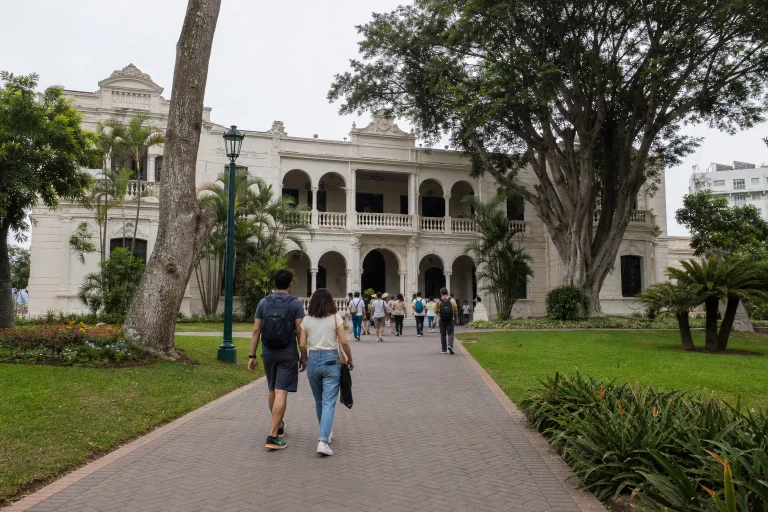
Lima rewards photographers with sharply different scenes in a compact set of neighborhoods: an ocean-facing waterfront in Miraflores, mural-lined Barranco, an urban park at Miraflores’ center, and the architecture and civic life of the Historic Centre. The best Lima photo spots are less about ticking off monuments than choosing the right setting for the kind of image you want to make.
Lima photo spots at a glance
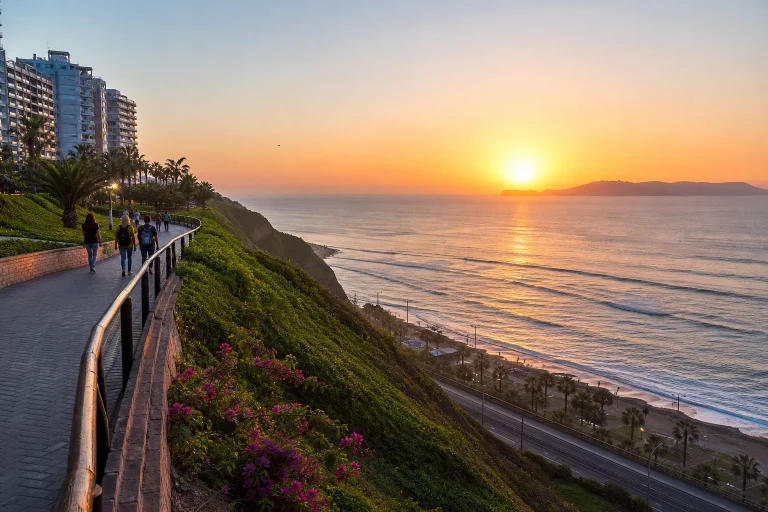
- Make the Miraflores Malecón your priority for an ocean-facing waterfront walk, especially in late afternoon through sunset.
- Use Parque del Amor on Malecón Cisneros as a named stopping point within the larger Miraflores waterfront shoot.
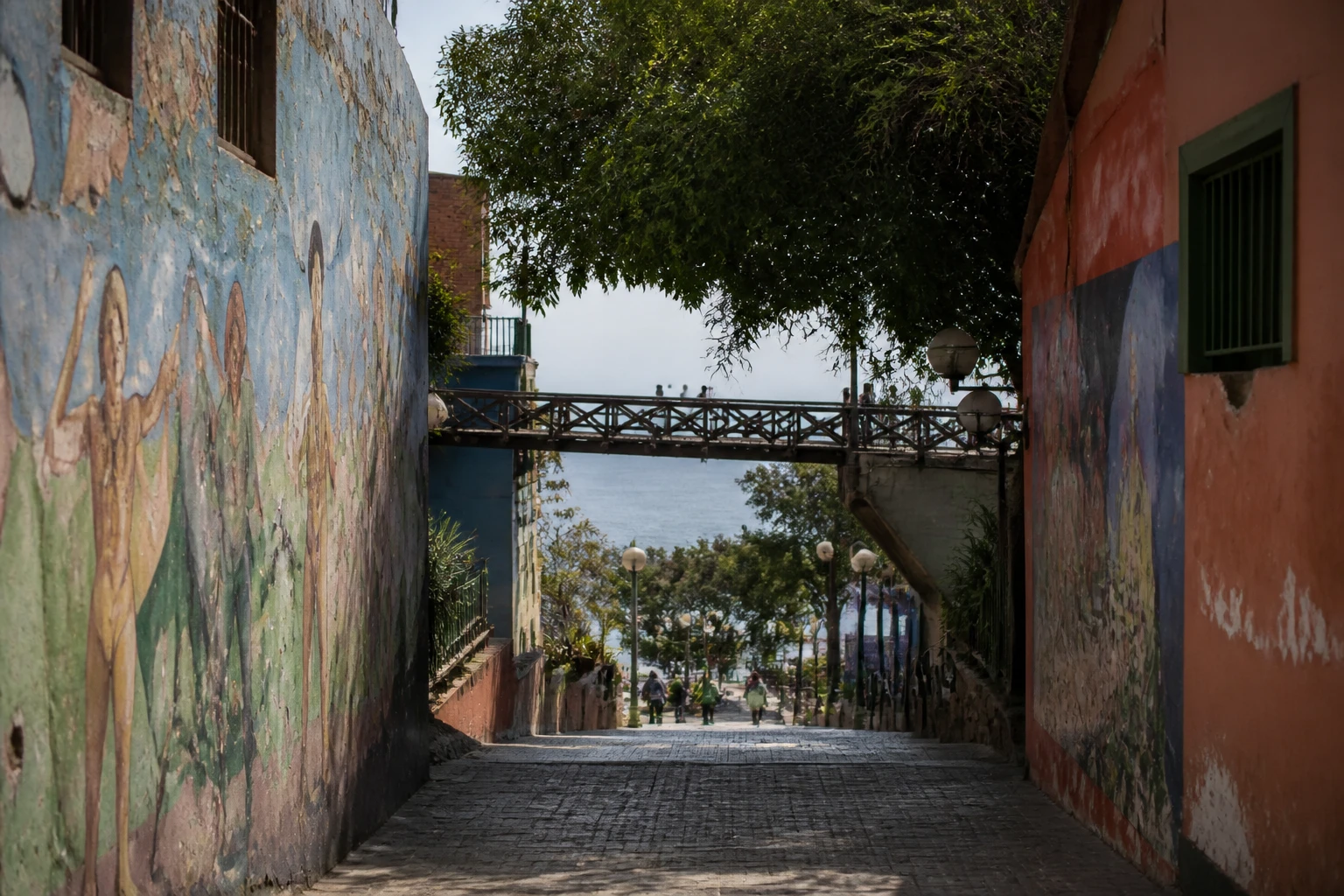
- Head to Barranco for murals, boutiques, the boardwalk, and the free Puente de los Suspiros, also called the Bridge of Sighs.
- Add Parque Central de Miraflores for the Chabuca Granda amphitheater, painters’ passage, and free entry.
- Keep the Historic Centre flexible for architectural and civic images, particularly while current disruptions can affect access and transport.
The Original Highlights of Lima - Private Half Day Tour
For the traveler who only has a few hours to spare, this tour, coined "The Perfect Snapshot of Lima" by previous guests, covers it all. Compare and co...
Private Full-Day: Lima City Tour, Cathedral, San Francisco Church, Larco Museum
Transfer to Parque del Amor in Miraflores. Its central part exhibits a sculpture dedicated to love. Proceed to enjoy...
Lima Half-Day City Walking Tour (Small Groups)
Discover the city of Lima known as the "City of Kings"! We will visit the highlights of the Historic Center of Lima...
Miraflores, Barranco & San Isidro - Districts Tour (Small Group)
Discover the most beautiful and iconic areas of Lima in one unforgettable tour. Visit an ancient archaeological site...
Current conditions, July 25, 2026: Lima and Callao have increased security measures in place, and demonstrations or strikes can disrupt the Historic Centre. A separate 60-day emergency covering Lima in response to anticipated heavy rainfall also brings a risk of road closures and transport disruption. Carry only essential camera gear, avoid demonstrations, use official taxis when needed, and check same-day weather and road conditions.
Miraflores, Barranco & San Isidro - Districts Tour (Small Group)
Discover the most beautiful and iconic areas of Lima in one unforgettable tour. Visit an ancient archaeological site that reveals the city’s pre-His...
The Original Highlights of Lima - Private Half Day Tour
For the traveler who only has a few hours to spare, this tour, coined "The Perfect Snapshot of Lima" by previous gue...
Private Full-Day: Lima City Tour, Cathedral, San Francisco Church, Larco Museum
Transfer to Parque del Amor in Miraflores. Its central part exhibits a sculpture dedicated to love. Proceed to enjoy...


Miraflores Malecón and Parque del Amor for ocean-facing frames
The Miraflores Malecón is the first stop to prioritize when the coast is your main subject. Peru’s tourism board recommends the ocean-facing waterfront for sunset watching and for walking or cycling, so plan this stretch as an open-air photo walk rather than a timed attraction. It gives you room to work slowly, change your angle, and build a sequence of wide views and smaller details.
Parque del Amor sits on Malecón Cisneros and works well as a clear waypoint when exploring the waterfront. Use the park to break up a longer stroll, then keep moving along the Malecón for changing sea views. For neighborhood context beyond the camera route, the Miraflores Lima Travel Guide is a useful companion for shaping a fuller day in the district.
Work the light without rushing the waterfront
Arrive in late afternoon and stay through sunset, the timing specifically recommended for the Malecón. Begin with broad compositions that show the waterfront and sea, then tighten the frame around walkers, railings, paths, or park edges. A low viewpoint can make the foreground feel more deliberate; a higher one can simplify the scene into strong horizontal bands of land, water, and sky.
Barranco and Puente de los Suspiros for murals and neighborhood texture
Barranco is Lima’s strongest photo area for color, texture, and a sense of neighborhood life. The district combines street murals, boutiques, museums, a boardwalk, and Puente de los Suspiros. The bridge itself offers a sea view, but the real advantage is the short walk around it: look for varied framing opportunities rather than treating the bridge as a single quick snapshot.
- Approach from Barranco’s municipal park via Pasaje Chabuca Granda for a walk that builds toward the bridge.
- Alternatively, reach the bridge from Avenida San Martín via Bajada de Baños.
- After photographing the bridge, use Barranco’s murals and boardwalk to vary your images with close details and wider neighborhood scenes.
Admission to Puente de los Suspiros is free, which makes it an easy addition to a self-guided Barranco walk. Take time with the nearby murals instead of photographing them as background decoration. Look for a single color, a fragment of paint texture, or a person moving through the frame. The companion article A Slow Afternoon in Barranco: Murals, Mansions, and the Bridge of Sighs is useful for extending this photo stop into a longer neighborhood outing.
Parque Central de Miraflores for everyday urban images
Parque Central de Miraflores is a practical daytime add-on for photographers already exploring the district. Its Chabuca Granda amphitheater and painters’ passage offer a different pace from the waterfront, with more opportunity for urban details and street-level compositions. Entry is free. Treat it as a supporting stop for a varied Miraflores set rather than the city’s biggest panoramic viewpoint.
This is a good place to practice patient observation. Make one frame about color, another about geometric lines, and another about movement through the space. Small visual assignments keep the shoot focused and prevent every image from becoming the same wide scene.
Lima’s Historic Centre for architecture and civic scenes
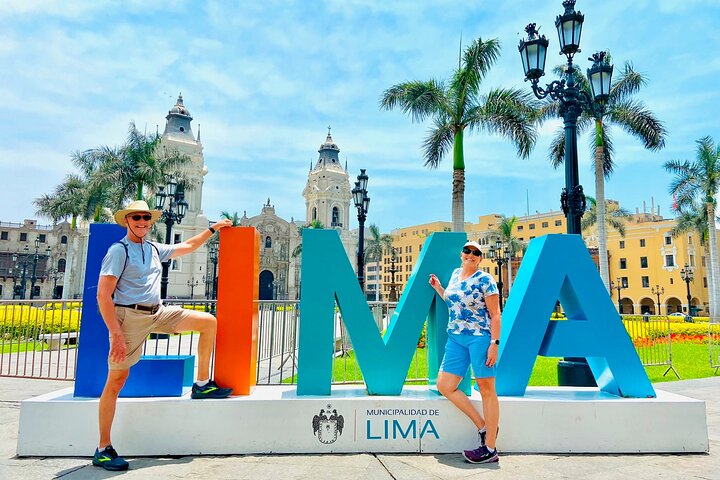
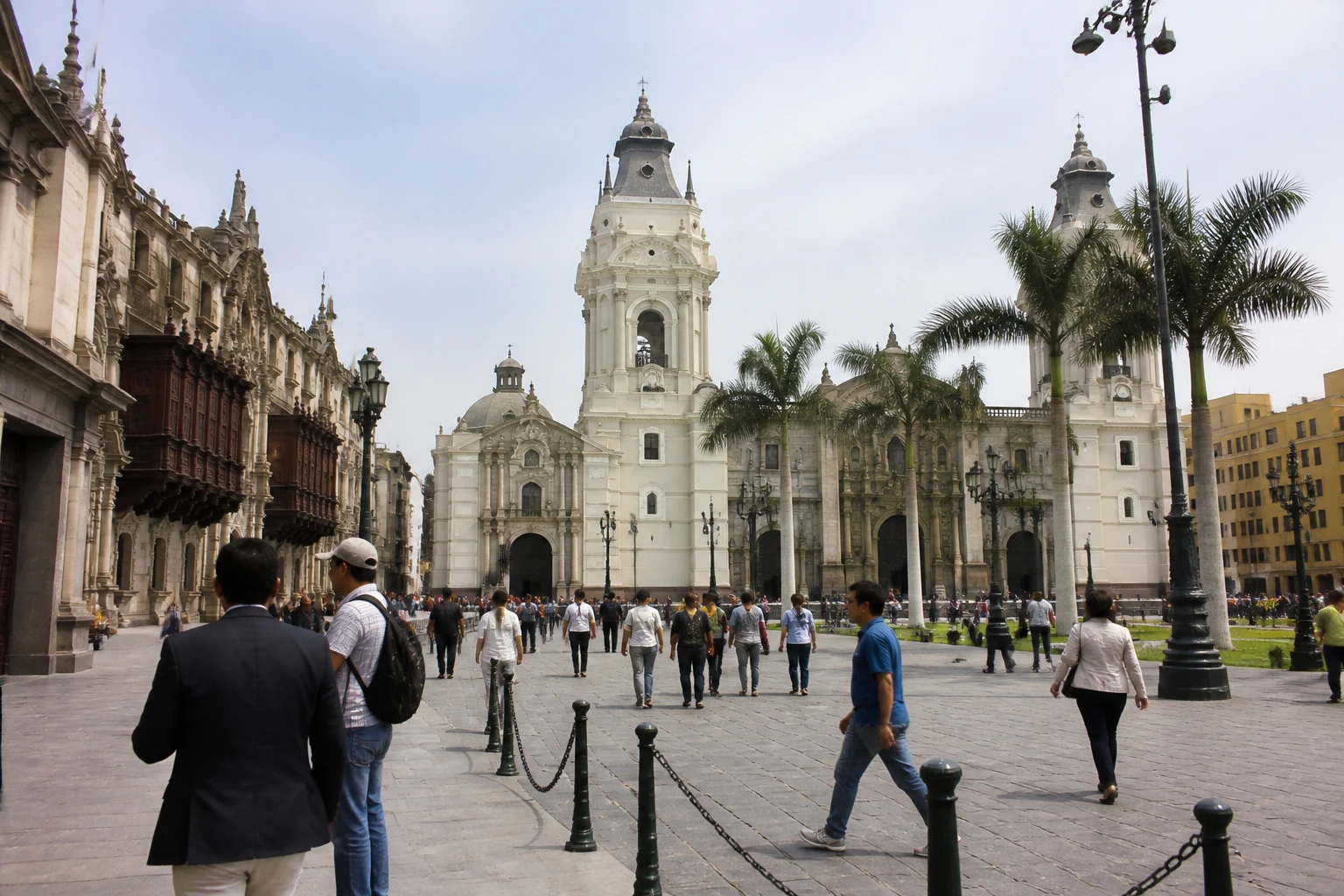
Lima’s Historic Centre deserves time for architectural compositions and civic scenes. Peru’s tourism board recommends walking the area, and the horseback changing-of-the-guard ceremony is a weekend draw when it is taking place. Do not plan a shoot around a specific ceremony time without checking locally on the day; use the surrounding streets and public spaces as the dependable core of your photo plan.
This is the location where flexibility matters most. Demonstrations and strikes can occur in the Historic Centre and disrupt transport, so skip protests and large gatherings rather than attempting to photograph them. If access is straightforward, build images around repeating architectural lines, formal public spaces, and the rhythm of daily movement. Walking the Historic Center: A Two-Hour Route Through Old Lima is a helpful companion for organizing a focused visit.

All-Inclusive Highlights of Lima Tour
This tour is special because in around 8 hours you will have the opportunity to explore the most beautiful places of...
Lima Half-Day City Walking Tour (Small Groups)
Discover the city of Lima known as the "City of Kings"! We will visit the highlights of the Historic Center of Lima...

Private Full-Day Best of Lima Tour
For the traveler who only has one day to spare in the capital city, this is the perfect tour for you! We'll cover al...
Build a practical Lima photography route
Plan the route one neighborhood at a time. Parque Central and the Miraflores waterfront belong naturally in the same outing. Treat Barranco as its own walkable photo neighborhood, and leave the Historic Centre as a flexible daytime stop because current conditions can affect access. This approach gives you stronger images than trying to rush across the city for a long list of pins.
| Route segment | Best visual focus | Planning note |
|---|---|---|
| Daytime in Miraflores | Parque Central, the Chabuca Granda amphitheater, and painters’ passage | Free entry; use it as an easy urban-photo stop. |
| Late afternoon in Miraflores | Malecón and Parque del Amor | Allow time to walk the waterfront and stay through sunset. |
| A separate Barranco outing | Murals, Puente de los Suspiros, and the boardwalk | The bridge has free admission and can be reached by two documented walking approaches. |
| A flexible Historic Centre visit | Architecture and civic scenes | Check conditions that day and reroute if demonstrations or transport disruption affect the area. |
Do not build the day around assumed transit times or fares. Instead, leave room between districts and use an official taxi when one is needed. For broader practical context, Lima Safety, Taxis, and the Coastal Fog: First-Timer Logistics covers the transport and safety questions that matter when moving between photo stops.
Know which photo stops have confirmed free entry
Parque Central de Miraflores and Barranco’s Puente de los Suspiros are the two stops in this guide with confirmed free entry. The Malecón, Parque del Amor, and the Historic Centre are best treated as outdoor areas, but that should not be taken as a blanket rule for nearby museums, attractions, tours, or other venues. Check current entry conditions before adding separate paid stops to your day.
Plan carefully if you need step-free access
This route includes a waterfront promenade, park paths, bridge approaches, and neighborhood streets with varying access conditions. Travelers who need step-free routes, accessible restrooms, or accessible transport should confirm the specific path and facilities before setting out. Keeping the Miraflores stops together is the simplest starting point for a more manageable day.
Photography techniques that fit each neighborhood
A little structure will make a Lima photo walk more rewarding. Give each location a visual question before raising the camera: at the Malecón, how can the sea anchor the frame? In Barranco, which mural detail tells the story best? In Parque Central, where do movement and geometry meet? In the Historic Centre, which lines lead the eye through the scene?
Start wide, then look for the smaller story
Begin each stop with a broad establishing frame, then spend time on details. A wide shot records a place; a close image of paint, pavement, a hand on a railing, or a repeated architectural pattern gives the edit personality. This two-part approach is especially useful in Barranco, where broad mural scenes and small fragments can feel like entirely different subjects.
Use people with purpose
People can give scale to the Malecón and energy to Barranco, but wait for a purposeful moment rather than filling the frame by default. A person walking across an open view or passing a mural can create direction and proportion. For close portraits, ask first. A brief, respectful interaction often produces a better image than a hurried candid frame.
Still comparing Lima Photo Spots And Photography Friendly Sightseeing?
Ask for tour ideas, hotel suggestions, or a simple trip plan that combines both.
Trip Helper
Keep the kit small and the plan adaptable
A phone or camera, a fully charged spare battery, and one versatile lens are enough for these walks. Use a strap, keep unused gear packed away, and carry a compact rain cover or dry pouch during the current period of rainfall risk. The aim is to stay mobile and attentive, not to manage an oversized kit in crowded public places.
Pack lightly and check conditions before heading out
Photographers should bring only what they expect to use. Current security and weather conditions make a light setup especially sensible, and a flexible plan keeps one disruption from spoiling the day. Check weather and road conditions before leaving, avoid areas affected by demonstrations, and switch to Miraflores or Barranco if the Historic Centre becomes inconvenient.
- Camera or phone with a charged battery
- One versatile lens, if using a camera
- A secure strap and a small bag for unused gear
- A compact rain cover or dry pouch
- A same-day route plan with a backup neighborhood in mind
Lima’s best photo day does not require a packed schedule. Give the waterfront enough time for changing light, let Barranco unfold on foot, and use the Historic Centre only when conditions support an unhurried visit. The city rewards observation far more than speed.
Choose your photo stops by the images you want to bring home
For a first photo-focused afternoon, choose the Miraflores Malecón and Parque del Amor for coastal views and sunset timing. Add Barranco for murals and a more textured walking shoot. Parque Central gives an easy urban counterpoint, while the Historic Centre is worth fitting in when same-day conditions allow. The main limitation is changing weather, road, and security conditions, so keep one alternate stop ready and travel light.

Frequently asked questions
What is the best photo spot in Lima for ocean views?
The Miraflores Malecón is the best starting point for ocean-facing photographs. Plan a waterfront walk and arrive in late afternoon to stay through sunset, with Parque del Amor on Malecón Cisneros as a useful waypoint.
Is Puente de los Suspiros free to visit?
Yes, admission to Barranco’s Puente de los Suspiros is free. Reach it from Barranco’s municipal park via Pasaje Chabuca Granda or from Avenida San Martín via Bajada de Baños.
When is the best time to photograph the Miraflores Malecón?
Late afternoon through sunset is the best-supported timing for the Miraflores Malecón. Allow time to walk the waterfront so you can work with changing light rather than arriving for a single quick frame.
Are all of Lima’s main photo spots free?
No, only Parque Central de Miraflores and Puente de los Suspiros have confirmed free entry in this guide. Check current conditions for separate attractions, museums, and tours before budgeting for a wider itinerary.
Can I photograph Lima’s Historic Centre right now?
Yes, provided you check local conditions on the day and avoid demonstrations or large gatherings. Protests, strikes, rainfall-related road closures, and transport disruption can affect access to the Historic Centre.