Lima Street Food Guide
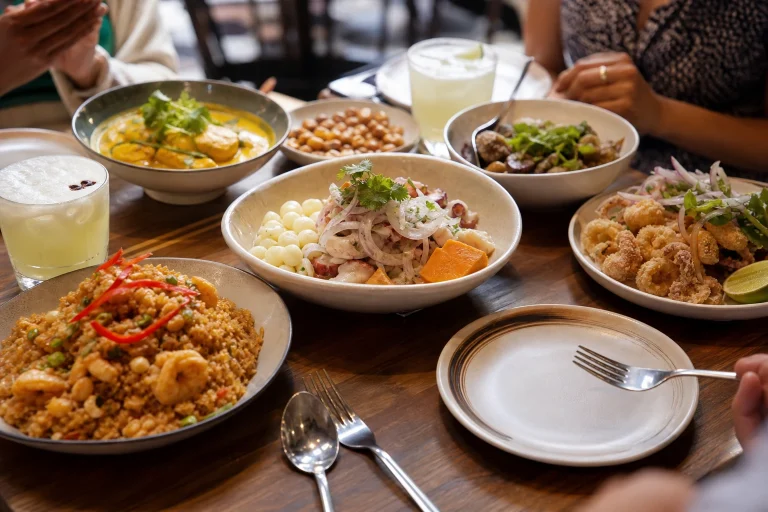
Lima street food is best approached as a broad, everyday food culture rather than a hunt for carts alone. The city’s culinary landscape includes food markets, huariques, cevicherías, chicken shops, chifas, and mobile vendors. That range is the appeal: a visit can combine ingredient browsing, close-up views of preparation, and a simple meal at a counter or neighborhood spot. Ceviche and tiradito are among Lima’s emblematic dishes, giving first-time visitors two useful touchstones for planning a food-focused day.
Key takeaways for eating street food in Lima
- Treat “street food” as a mix of market counters, informal restaurants, specialty eateries, and mobile vendors, not one single format.
- Start with a food market if you want to see products and preparation before deciding what to order.
- Mercado de Surquillo N° 2 and Mercado de San Isidro are practical visitor-friendly market stops highlighted by Peru Travel.
- Look for visible cleanliness, sensible temperature control, and active turnover before choosing prepared food.
- Confirm market hours and access on the day you plan to go, then check each counter’s current menu and price before ordering.

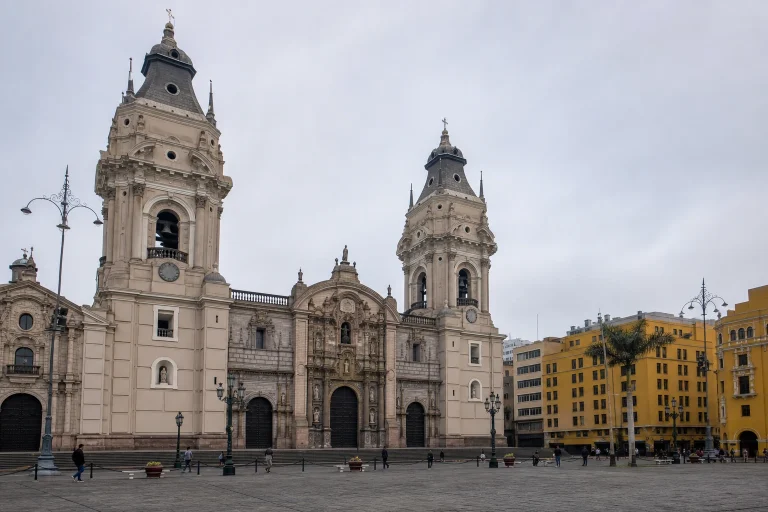
Street Food, Market & Old Eateries Tour in Lima's Historic Center
Discover Lima’s vibrant street food, market and old eateries scene on this immersive walking guided tour, where every bite tells a story of Peru’s...
A market-first approach gives you more control than an improvised crawl across unfamiliar vendors. You can compare counters, ask a few simple questions, and choose what looks freshly prepared and well handled. For a deeper market-focused itinerary, the companion Mercado Surquillo food tour is a useful next read. Keep expectations flexible: the reward is a close look at Lima’s daily food culture, not a fixed checklist of vendors or dishes.
What counts as street food in Lima
In Lima, the most useful definition of street food reaches beyond food sold from a portable cart. Market counters put cooks, ingredients, and customers in the same lively indoor setting. Huariques are informal restaurants, while cevicherías, chicken shops, and chifas are distinct parts of the city’s everyday dining fabric. Mobile vendors are another category entirely, with a more improvised experience and fewer fixed reference points for a visitor.
- Market counters: the strongest choice for travelers who want to browse food and ingredients before committing.
- Huariques: informal restaurants that can offer a more settled meal than a quick counter stop.
- Cevicherías: dedicated venues to consider when ceviche or tiradito is the focus of the day.
- Chicken shops and chifas: everyday Lima formats worth recognizing as part of the wider food scene.
- Mobile vendors: the most spontaneous option, where careful observation of hygiene and food handling matters especially.
These formats should not be treated as interchangeable. A fixed market counter gives you time to inspect the setting and compare several choices. A huarique or specialty restaurant calls for a more conventional meal decision. A mobile vendor requires a faster judgment about handling, temperature, and turnover. Choosing the format that fits your comfort level is more useful than trying to eat in every category during one visit.
Start at Mercado de Surquillo or Mercado de San Isidro
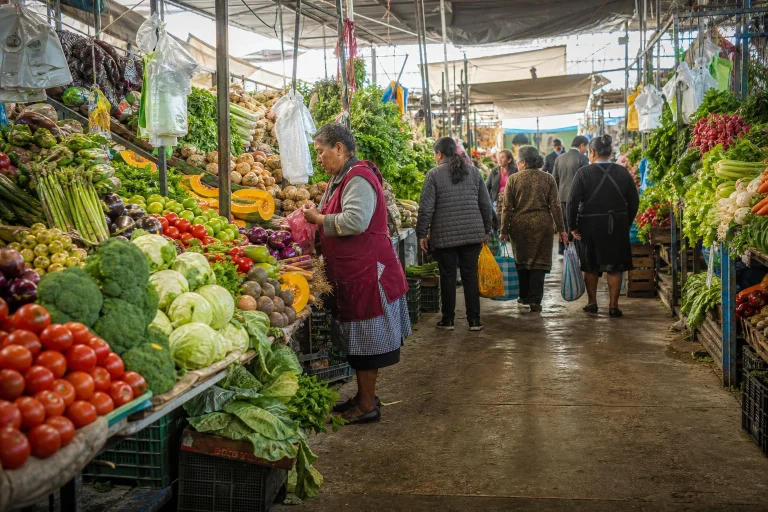
For an approachable introduction, begin with one of two markets identified by Peru Travel. Mercado de Surquillo N° 2 is at Dante, at the corner of Lizardo Montero, in Surquillo. Mercado de San Isidro is on Avenida Augusto Pérez Araníbar in San Isidro. Both give visitors a setting to browse local and exotic products, sample traditional dishes, and watch food preparation at closer range.

| Market | Location detail | Why it works for a food-focused visit | Plan before you go |
|---|---|---|---|
| Mercado de Surquillo N° 2 | Dante, corner of Lizardo Montero, Surquillo | Browse products, traditional dishes, and preparation in a market setting. | Confirm that day’s hours and decide which counters you want time to compare. |
| Mercado de San Isidro | Avenida Augusto Pérez Araníbar, San Isidro | Another practical market setting for exploring products and traditional food. | Check current access information before building the rest of your day around it. |
These markets are sensible starting points, not automatic endorsements of every counter on every day. Take the same care you would anywhere: assess the food’s condition, watch how it is handled, and move on if the setup does not inspire confidence. That balance lets you enjoy a market’s variety without assuming that a familiar location removes the need for personal judgment.

Lima City, Central Market & Catacombs Tour (Pick-up & Drop Off)
We pick you up from your hotel to head to Historic Center, where we are starting our walking and first stop will be...

The Complete Lima Experience: History, Culture & Flavors
Get the Best of Lima with us! If you have only one day in Lima and want to make the most of it, this is your chance...

All-Inclusive Highlights of Lima Tour
This tour is special because in around 8 hours you will have the opportunity to explore the most beautiful places of...
How to read a market before you order
Give yourself an initial lap before ordering. Use it to understand what the market is selling that day, notice which counters are actively serving customers, and decide whether you want a snack, a full meal, or a closer look at ingredients. This simple pause keeps you from choosing solely because the first counter is nearest the entrance.
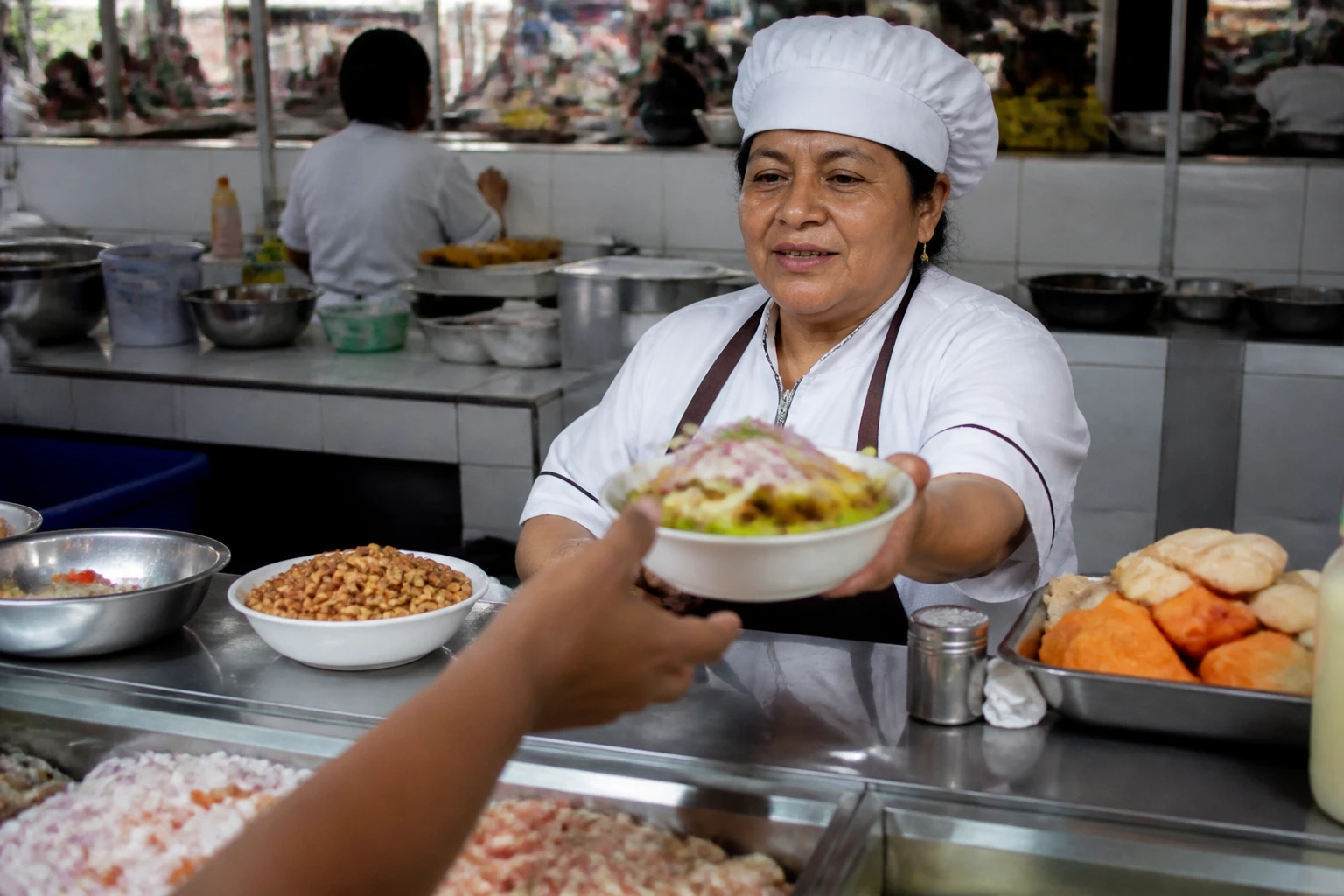
- Confirm the market’s current opening information before leaving your accommodation. Schedules can change, and a food plan works better when it has one firm starting point.
- Walk through the market once without ordering. Compare food displays, working surfaces, serving activity, and the overall pace of each counter.
- Choose a counter after watching how prepared food is stored and served. Active turnover is a useful signal when deciding between similar options.
- Ask what is available, how large the serving is, and what it costs before the order is made. Keep the first meal manageable so you can continue exploring.
- Pause after eating rather than racing to the next stop. A Lima food day is more enjoyable when you leave room for a second choice later.
Markets are especially rewarding for travelers who like to see how a meal begins. The experience is as much about observing produce, prepared dishes, and kitchen rhythms as it is about ticking off food names. Let the market itself guide the choice, while keeping your standards for cleanliness and handling consistent from one counter to the next.
Eat thoughtfully: Lima food-safety habits that matter
Food safety is a practical part of a good street-food experience. Peru’s Ministry of Health advises diners buying food on the street to check hygiene measures and be alert to prepared food left at ambient temperature without adequate refrigeration. Its guidance is clear that prepared food should not remain exposed for more than 60 minutes. Use that advice as a personal filter, not as a judgment on an entire market or neighborhood.
- Look for a visibly orderly preparation area and attentive food handling.
- Favor food that is being prepared or served promptly, rather than items that appear to have been sitting out.
- Pay attention to temperature control, especially for prepared dishes that are not being actively cooked or kept chilled.
- Choose a counter with regular customer turnover when several options look similar.
- Walk away without apology if a display, workspace, or serving practice makes you uncomfortable.
Lima markets are subject to food-safety surveillance, including joint operations involving SENASA, prosecutors, and district municipalities. That oversight matters, but it does not replace the traveler’s on-the-spot assessment of a particular counter. The best approach is straightforward: enjoy the market’s energy, then make a calm and observant decision about where to eat.
Make ceviche and tiradito part of the plan
Ceviche and tiradito are two emblematic dishes in Lima’s culinary identity, so they deserve a deliberate place in a food itinerary. Rather than treating them as an obligatory last-minute snack, decide in advance if one will be your main food stop. That leaves you free to use a market visit for browsing, observing preparation, and choosing a different counter meal or lighter bite.
Readers whose trip centers on this part of Lima’s cuisine should also consult the guide to where to eat ceviche in Lima. It is a better fit for narrowing a ceviche-focused meal than this wider street-food guide. In any setting, apply the same standards you would at a market: assess the establishment, ask what is available, and choose the experience that feels well run on the day.
Still comparing Lima Street Food And Market Tours?
Ask for tour ideas, hotel suggestions, or a simple trip plan that combines both.
Trip Helper
Handle prices with a simple, current-check approach
Do not plan this part of your trip around a generic citywide price claim. Food prices, portions, and the cost of a particular meal vary, so the menu or counter in front of you is the useful reference. If a price is not displayed, ask before ordering. This keeps the exchange clear and lets you decide based on the actual serving and your appetite rather than an outdated online estimate.
- Check the current menu or ask the counter staff for the price before the order is prepared.
- Ask what the serving includes if you are comparing two similar options.
- Choose one meal at a time instead of over-ordering early in a market visit.
- Keep your food budget flexible enough to follow what looks best on the day.
Plan for accessibility and dietary needs before arrival
Do not assume step-free entrances, wide aisles, accessible toilets, seating, mobility assistance, or low-sensory conditions at either named market. Travelers who need specific access arrangements should check directly with the market before making it the centerpiece of a day. A brief advance check is far easier than arriving hungry and discovering that the environment does not suit your needs.
For a serious food allergy or strict dietary requirement, state the need clearly before ordering and ask about the individual dish you are considering. Market cooking is immediate and varied, so a specific conversation at the counter is more useful than assumptions based on a dish name. If the answer is unclear, choose another option with greater confidence.
Build a food-focused Lima day without overplanning it
Anchor the day around one market, not a long list of venues scattered across the city. Confirm its hours, choose a realistic arrival window, and leave time to browse before eating. Once you have settled the market stop, decide what else belongs nearby in your own itinerary rather than forcing several meals into a short stretch. Before committing to a cross-city plan, Lima safety and transport tips for first-timer logistics can help you think through the practical side of getting around.
- Choose one market as the day’s central food experience.
- Verify the market’s schedule before setting out.
- Browse first, then order one carefully chosen meal or snack.
- Leave space for a ceviche or tiradito meal if that is a priority for your trip.
- Treat vendor availability and menus as part of the day’s discovery, not as fixed promises.
The best Lima street-food strategy
Lima rewards travelers who approach street food with curiosity and a little structure. Start at a market such as Surquillo N° 2 or San Isidro, take time to watch how food is handled, and let the day’s choices guide you toward a satisfying meal. The main limitation is that hours, vendors, menus, prices, and access can change. Confirm the basics, trust your observations, and enjoy Lima as a city where eating is also a way to understand daily life.
Frequently asked questions
Does Lima street food mean eating only from mobile carts?
No. In Lima, a useful street-food experience can include market counters, huariques, cevicherías, chicken shops, chifas, and mobile vendors. Markets are often the easiest starting point because you can browse products and observe preparation before ordering.
Which Lima markets are good starting points for food travelers?
Mercado de Surquillo N° 2 in Surquillo and Mercado de San Isidro in San Isidro are two markets highlighted for visitors who want to explore products, traditional dishes, and food preparation. Confirm hours before you go.
How can I choose street food more safely in Lima?
Check visible hygiene, temperature control, and customer turnover before you order. The Ministry of Health advises avoiding prepared food left at ambient temperature without adequate refrigeration, and says prepared food should not remain exposed for more than 60 minutes.
What Lima dishes should I prioritize?
Ceviche and tiradito are two emblematic dishes to put on your Lima food list. Plan one as a purposeful meal instead of trying to squeeze it into an already crowded market visit.
How much should I budget for Lima street food?
Use current counter menus and ask the price before ordering rather than relying on a blanket online estimate. Prices and portions vary, so the most useful budget information is the one available at the place you choose that day.
Are Mercado de Surquillo and Mercado de San Isidro accessible?
Do not assume specific accessibility features at either market. Check directly in advance if you need step-free access, wide aisles, accessible toilets, seating, or mobility assistance.
Street Food, Market & Old Eateries Tour in Lima's Historic Center
Discover Lima’s vibrant street food, market and old eateries scene on this immersive walking guided tour, where every bite tells a story of Peru’s...