Lima Historic Churches Guide
Lima’s historic churches make the most sense as one walk through the Historic Center, a World Heritage setting where plazas, convents, museums, and active places of worship remain closely connected. The strongest first route combines the Basílica Catedral de Lima, the Iglesia y Convento de San Francisco, and Santo Domingo. Together, they offer the essential mix of civic history, religious art, architecture, catacombs, and devotion.
Begin with the Cathedral on Plaza Mayor, make San Francisco the main interior visit, and add Santo Domingo for its links to Santa Rosa de Lima and San Martín de Porres. La Merced and Las Nazarenas are worthwhile extensions for travelers interested in Lima’s devotional life, especially outside the busiest Holy Week periods.
Key takeaways for visiting Lima’s historic churches
- Use Plaza Mayor as the starting point: Lima Cathedral stands at Jr. Carabaya, block 2, on the square.
- Give San Francisco dedicated time. Its convent, religious museum, and catacombs form a fuller heritage visit than a quick look inside a church.
- Add Santo Domingo if the tombs of Santa Rosa de Lima and San Martín de Porres are a priority.
- Expect the greatest crowds and possible traffic changes during Holy Week, when major churches draw large numbers of worshippers and visitors.
- Confirm current visiting hours, admission terms, and accessibility arrangements directly before setting out, as these details can change.
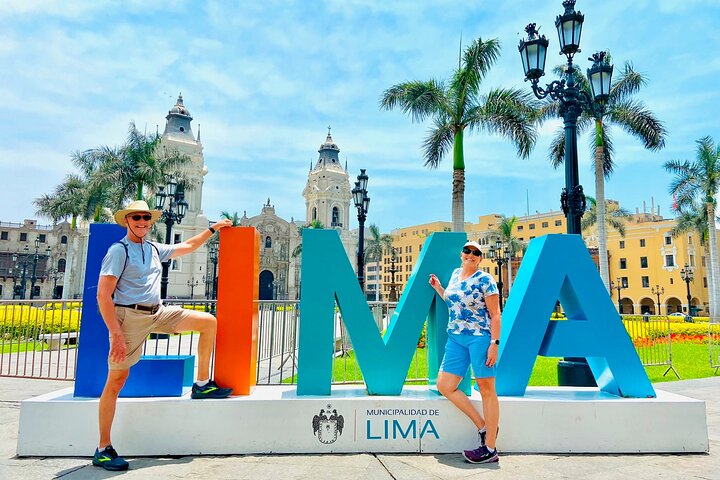
Lima Half-Day City Walking Tour (Small Groups)
Discover the city of Lima known as the "City of Kings"! We will visit the highlights of the Historic Center of Lima such as the Plaza de Armas, the Ca...

A Journey Through Time: Lima's Historic Center & Catacombs Tour
⚠️ Important: The price shown corresponds to the ESSENTIAL option. Full experiences such as hotel pickup and tic...

Lima City, Central Market & Catacombs Tour (Pick-up & Drop Off)
We pick you up from your hotel to head to Historic Center, where we are starting our walking and first stop will be...
See the churches as part of Lima’s Historic Center
A church-focused day works best when it follows the shape of the Historic Center rather than treating each building as a separate errand. The central visitor circuit connects Plaza Mayor, the Cathedral, San Francisco, Jirón de la Unión, and Plaza San Martín. That setting gives the churches their full context: religious landmarks standing within the civic and commercial heart of old Lima.
Use a Historic Center Walking Route through old Lima to connect the church stops with the surrounding plazas and streets. Keep the order flexible, especially if a service is underway or a museum circuit is not receiving visitors when you arrive. A little flexibility makes the route feel like a discovery rather than a checklist.
Build the route around three anchors
- Start at Plaza Mayor and visit the Cathedral for its central setting, the Museo de Arte Religioso, and the remains of Francisco Pizarro.
- Make San Francisco the day’s most substantial stop, combining its façade, convent spaces, religious museum, and catacombs in one circuit.
- Add Santo Domingo for the museum and the tombs of two of Peru’s most important saints.
- Use Jirón de la Unión and Plaza San Martín as part of the wider Historic Center walk before or after the church visits.
The three historic churches to prioritize
Basílica Catedral de Lima: the essential Plaza Mayor stop
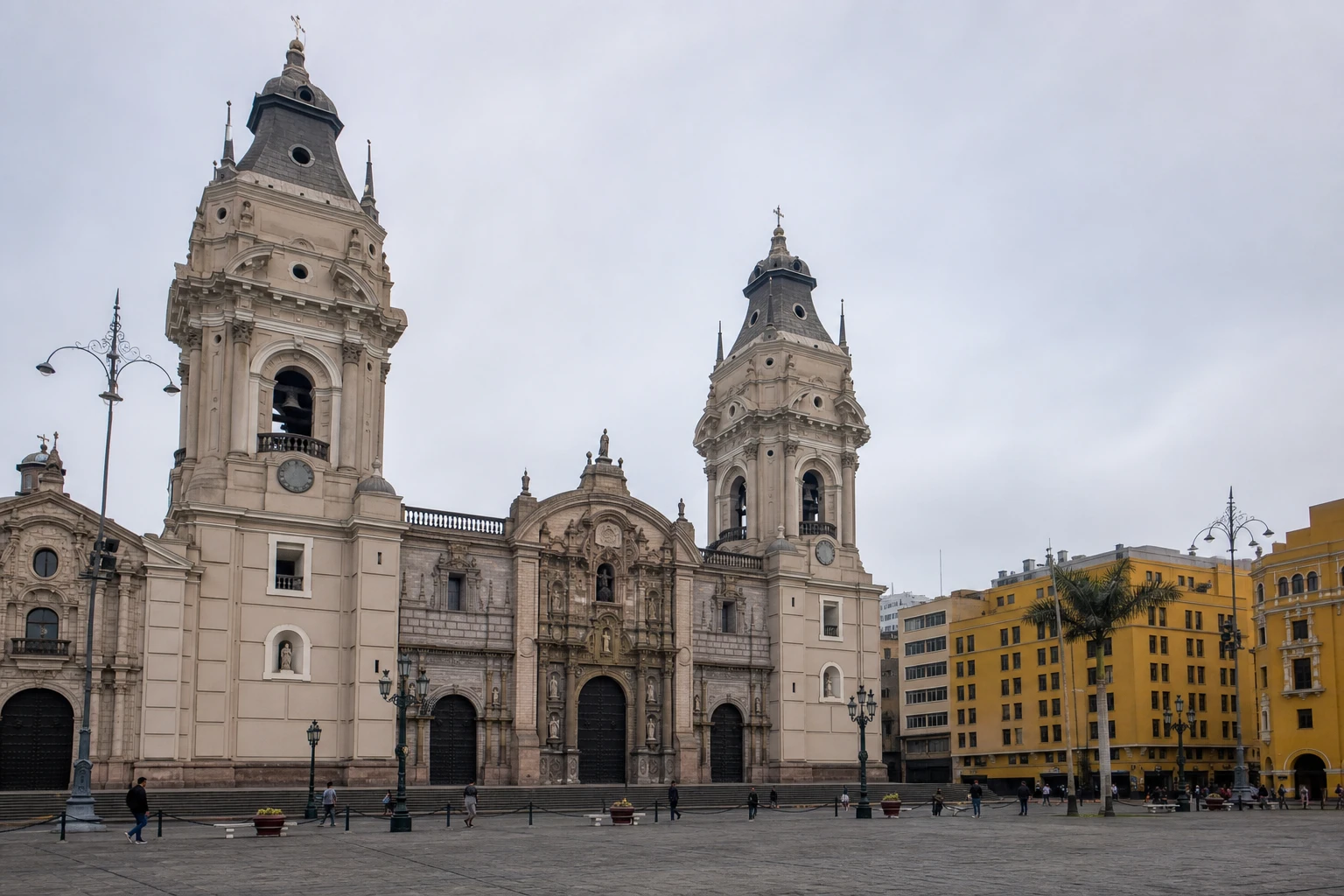
The Basílica Catedral de Lima is the natural opening stop because it faces Plaza Mayor, Lima’s defining civic square. The cathedral stands on the foundations of the original Iglesia Mayor, and it holds the remains of Francisco Pizarro. Its Museo de Arte Religioso adds a museum dimension to a visit that might otherwise be limited to the grandeur of the main church interior.

This is the best choice for travelers who want to understand the overlap of Lima’s political, religious, and urban history in one landmark. Pause outside first to take in the square, then allow room for the religious-art museum if it is open to visitors. The cathedral is both a sightseeing landmark and an active place of worship, so be prepared to adjust your visit around services.
Iglesia y Convento de San Francisco: architecture, museum, and catacombs
San Francisco is the most layered stop on this Lima historic churches route. One of the city’s largest religious complexes, it brings together the church, convent, religious museum, and catacombs. Find it around Jr. Áncash, block 3, and Jr. Lampa. Its visitor circuit offers far more than a brief church interior, making it the place to slow down.
The complex dates to the second half of the 16th century. Look closely at the façade, where Baroque, Mudéjar, and Mannerist elements meet, and at the Mudéjar dome. Below ground, the catacombs were discovered in 1951 and are part of the convent and religious-museum circuit. For architecture-minded visitors, this is the route’s standout experience.
Santo Domingo: a meaningful stop for Peru’s saints
Santo Domingo deserves a place on the route for visitors drawn to the lives of Santa Rosa de Lima and San Martín de Porres. Its museum includes the tombs of both saints, giving this stop a particular spiritual and historical weight. Add it after the Cathedral and San Francisco when that religious heritage is central to your interest in Lima.
| Church | Best reason to go | Who should prioritize it |
|---|---|---|
| Basílica Catedral de Lima | Plaza Mayor setting, religious-art museum, and Francisco Pizarro’s remains | First-time visitors and travelers interested in Lima’s central history |
| San Francisco | Convent, religious museum, varied architecture, and catacombs | Visitors wanting the most substantial single church visit |
| Santo Domingo | Museum with the tombs of Santa Rosa de Lima and San Martín de Porres | Travelers interested in Peru’s saints and religious history |

Lima Shore Excursion: Pachacamac and City Tour from Callao Port
Let yourself be surprised with this beautiful trip to ancient Peru, with the best places full of history and culture...

All-Inclusive Highlights of Lima Tour
This tour is special because in around 8 hours you will have the opportunity to explore the most beautiful places of...

The Complete Lima Experience: History, Culture & Flavors
Get the Best of Lima with us! If you have only one day in Lima and want to make the most of it, this is your chance...
Add La Merced and Las Nazarenas for living religious traditions
La Merced and Las Nazarenas are strong additions when the goal is to experience the city’s ongoing religious life as well as its major historic monuments. Both were among the churches drawing the greatest attendance during Lima’s 2026 Holy Week observances. On an ordinary visit, they work best as optional stops after the core Cathedral, San Francisco, and Santo Domingo circuit.
During Holy Week, these churches can feel especially charged with worshippers, processional activity, and crowds. That can be memorable for travelers seeking a faith-centered experience, but it also calls for patience and a flexible plan. If your priority is close architectural viewing and an unhurried route, choose another time of year or visit outside the most active service periods.
Santa Ana and Sagrado Corazón de Jesús: check before adding them
Santa Ana and Sagrado Corazón de Jesús, also known as Los Huérfanos, are historic additions for repeat visitors exploring beyond the main church circuit. The Ministry of Culture inspected both buildings in June 2026 to assess their condition and factors that could affect them. Check visitor access and current conditions shortly before making a special trip to either church.
Timing your church visits: services, Holy Week, and changing schedules
Keep your schedule loose. Church worship, museum access, guided circuits, and special events do not always follow the same timetable. Current visitor hours and admission terms should be checked directly with each church or museum before your visit. This is particularly important at San Francisco, the Cathedral, and Santo Domingo, where an interior visit is a key part of the experience.
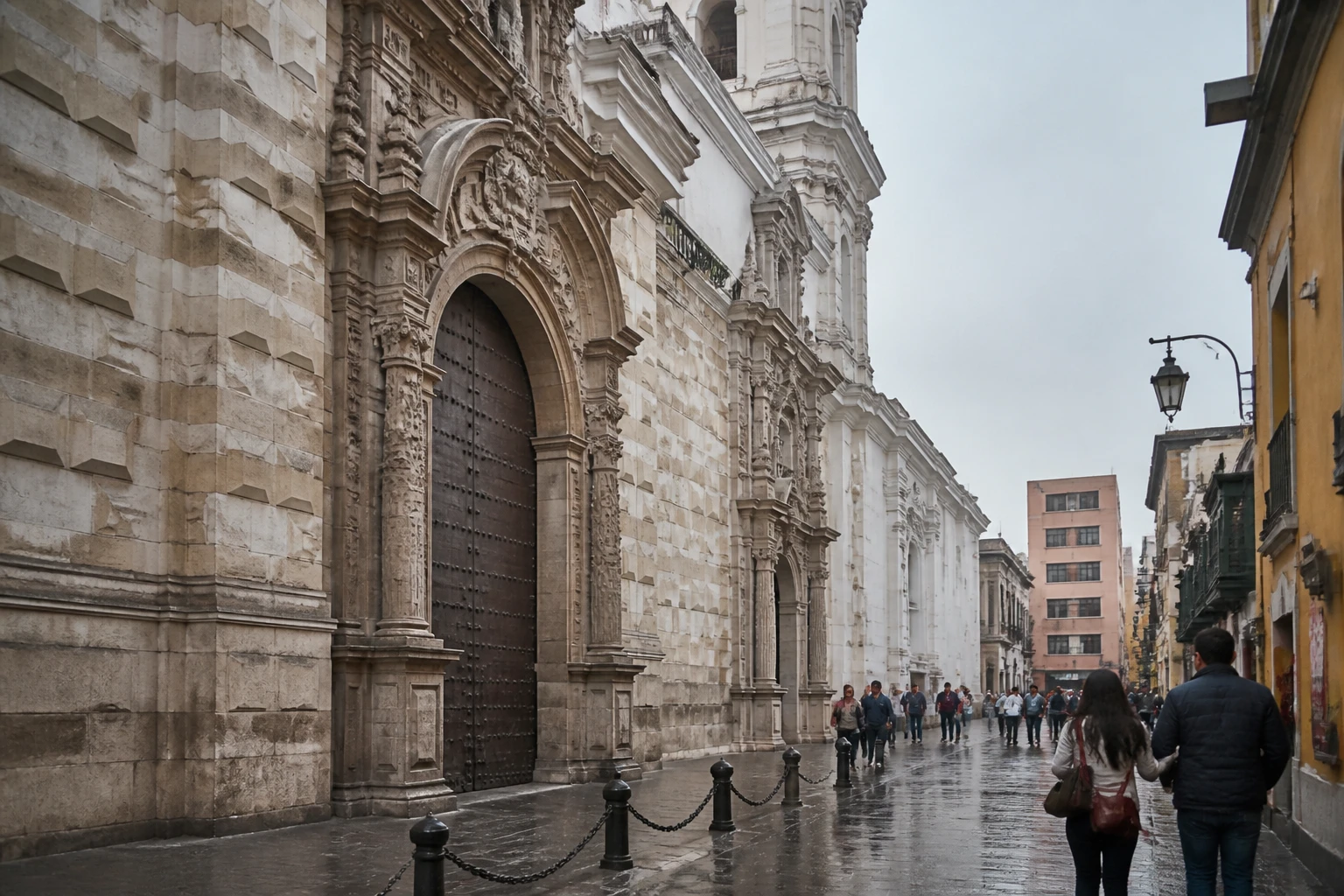
Sunday morning deserves extra care at the Cathedral. A Sunday Mass from Lima Cathedral was broadcast at 11:00 a.m. on April 4, 2026. Treat worship as the priority during service periods rather than assuming sightseeing access will run as usual. Travelers focused on the museum or a leisurely interior visit should select a different time and confirm arrangements first.
Holy Week brings the year’s clearest trade-off. In 2026, large attendance at central churches coincided with vehicle diversions in the Historic Center from April 2 through April 5. Future dates and arrangements will vary, but travelers visiting around Semana Santa should expect larger crowds, altered traffic patterns, and church visits shaped more strongly by worship than by sightseeing.
Practical route planning in the Historic Center
For simple navigation, pin the Cathedral at Jr. Carabaya, block 2, on Plaza Mayor, then locate San Francisco at Jr. Áncash, block 3, and Jr. Lampa. These two landmarks form the core of a central walk that also includes Jirón de la Unión and Plaza San Martín. Map Santo Domingo separately before you leave, then decide whether it fits your available time.
Plan your arrival to the Historic Center before you begin the church circuit, then keep the stops close together on foot where practical. For citywide arrivals and onward travel, Lima Safety And Transport Tips can help you think through transport choices before you set out. Avoid building the day around a tightly timed sequence, since worship and visitor access can reshape the order.
Bring water, a charged phone, and clothing suitable for active religious spaces. Keep voices low inside, follow instructions from church staff, and avoid treating worshippers as part of a photo opportunity. If you are visiting primarily for architecture, leave enough room in the plan to admire façades and the surrounding streets even if an interior is temporarily devoted to a service.
Still comparing Lima Historic Churches And San Francisco Catacombs?
Ask for tour ideas, hotel suggestions, or a simple trip plan that combines both.
Trip Helper
Accessibility and mobility considerations
Do not assume step-free entry, lifts, stroller access, accessible restrooms, or similar facilities at these historic churches. Travelers with mobility, sensory, or stroller needs should contact the church or museum directly before leaving for the Historic Center. This small step is especially useful when planning a route that includes convent areas, museums, or underground catacombs.
Choose a church route that matches your interests
For a first visit to old Lima
Choose the Cathedral and San Francisco. The pairing brings together Plaza Mayor, the Cathedral’s religious-art museum and historical setting, plus San Francisco’s architecture, convent, and catacombs. It is the clearest introduction to the religious landmarks at the heart of Lima’s Historic Center.
For saints, faith, and religious history
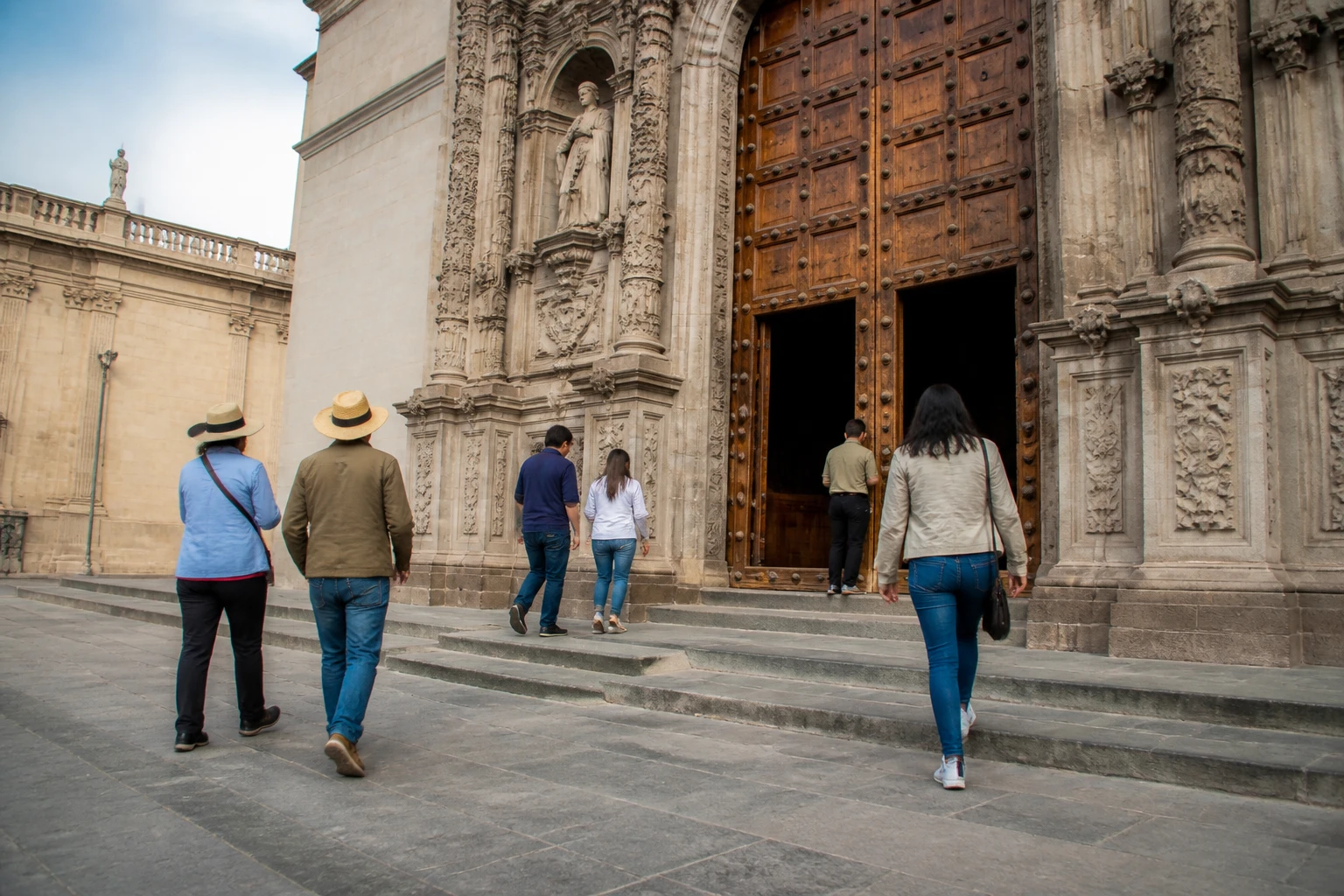
Add Santo Domingo to the Cathedral and San Francisco. The tombs of Santa Rosa de Lima and San Martín de Porres give the route a deeper connection to Peru’s religious heritage. La Merced and Las Nazarenas can extend the day further for travelers who want to focus on contemporary devotional life as well as historic interiors.
For a Holy Week visit
Prioritize the experience of the occasion over ticking off every interior. Major central churches become focal points for large congregations, and traffic management can affect how easily you move around the Historic Center. Arrive with patience, respect worship areas, and accept that the atmosphere of Semana Santa is part of what makes the visit distinctive.
Make Lima’s churches part of a broader city stay
A church route is a strong choice for one Historic Center day, especially for travelers who want an experience rooted in Lima’s civic and religious history. A 3 Days in Lima Itinerary can help place that day alongside the city’s other neighborhoods and major sights. Keep this church-focused portion centered on the three priority stops, then add smaller churches only when access and time allow.
The best way to experience Lima’s historic churches
For most travelers, the best Lima historic churches itinerary is straightforward: start at the Cathedral on Plaza Mayor, give San Francisco the time it deserves, and add Santo Domingo for the legacy of Peru’s saints. This route rewards travelers who enjoy architecture, sacred art, and city history. Its main limitation is variable access, so confirm the day’s visiting arrangements, then let the Historic Center set the pace.
Frequently asked questions
Which historic churches should I visit first in Lima?
Start with Lima Cathedral, San Francisco, and Santo Domingo. The Cathedral anchors Plaza Mayor, San Francisco has the convent museum and catacombs, and Santo Domingo holds the tombs of Santa Rosa de Lima and San Martín de Porres.
Where are Lima Cathedral and San Francisco located?
Lima Cathedral is on Plaza Mayor at Jr. Carabaya, block 2, while San Francisco is located around Jr. Áncash, block 3, and Jr. Lampa. Both fit naturally into a Historic Center walk.
Can visitors see the catacombs at San Francisco?
Yes, San Francisco’s catacombs are part of its convent and religious-museum visitor circuit. The catacombs were discovered in 1951.
What are the opening hours and admission prices for Lima’s churches?
Check current hours and admission terms directly before visiting, as they can change. Do not rely on older online schedules or historic price listings when planning your day.
Is Holy Week a good time to visit Lima’s churches?
Holy Week is rewarding for travelers interested in living religious traditions, but it is also the busiest period. Major central churches draw large attendance, and traffic measures can affect movement around the Historic Center.
Are Lima’s historic churches accessible for wheelchairs or strollers?
Accessibility needs should be confirmed with each church or museum before visiting. Site-specific information on step-free access, lifts, restrooms, and stroller access is not consistent across these historic landmarks.
A Journey Through Time: Lima's Historic Center & Catacombs Tour
⚠️ Important: The price shown corresponds to the ESSENTIAL option. Full experiences such as hotel pickup and tickets to the San Francisco Convent...
Lima City, Central Market & Catacombs Tour (Pick-up & Drop Off)
We pick you up from your hotel to head to Historic Center, where we are starting our walking and first stop will be...
Lima Half-Day City Walking Tour (Small Groups)
Discover the city of Lima known as the "City of Kings"! We will visit the highlights of the Historic Center of Lima...