Lima Foodie Weekend Itinerary
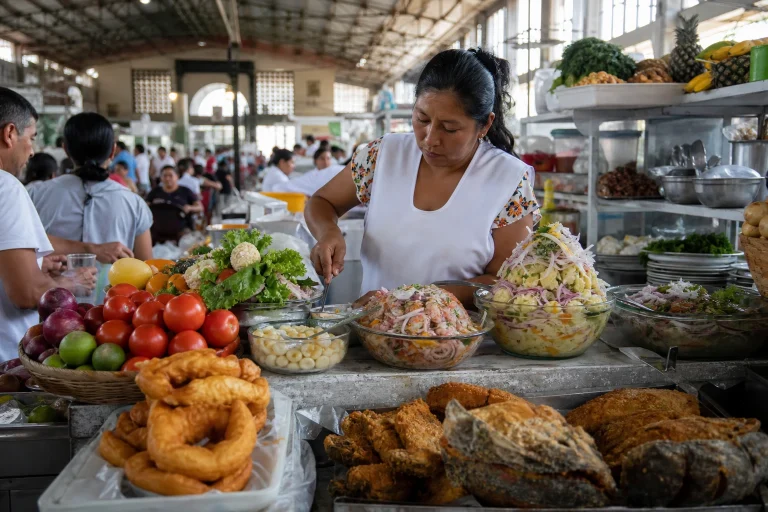
A Lima foodie weekend works best as a tour through the city’s many ways of eating. Build your plan around a market or huarique, a cevichería, a chifa, and one meal with a more formal feel, then leave room to wander Barranco. Lima’s culinary landscape includes restaurants, chicken shops, markets, informal huariques, and chifas, shaped by indigenous, African, and Chinese influences. Ceviche and tiradito deserve space on the itinerary, but the goal is range rather than a frantic checklist.
- Use Day 1 for a cross-section of Lima dining: market or huarique, cevichería, chifa, and one optional formal meal.
- Give Day 2 to Barranco, where restaurants pair naturally with a walk through plazas, parks, passages, and the Puente de los Suspiros.
- Keep meal windows flexible. Restaurant schedules, menus, reservations, and prices can change.
- For airport arrival, use authorized transport or a prearranged ride, then avoid committing to a tightly timed first meal.
- Prioritize a few meaningful stops over crossing the city repeatedly for every course.
Shape the weekend around variety, not restaurant count
This two-day Lima foodie itinerary deliberately uses two different rhythms. The first day samples the city’s wider food culture through several dining formats. The second slows down in Barranco, an artistic and cultural district where dining can sit beside historic streets and a short walking circuit. Treat the outline as a framework: shift the order to suit your arrival, appetite, and the venues that are open when you visit.
| Day | Food focus | Between meals | Planning priority |
|---|---|---|---|
| Day 1 | Market or huarique, cevichería, chifa, and an optional formal meal | Keep transfers purposeful and leave a pause between larger meals | Sample several food formats without trying to cover every neighborhood |
| Day 2 | A flexible food stop in Barranco, followed by a traditional or prominent restaurant choice | Walk Barranco’s plazas, parks, passages, churches, and Puente de los Suspiros | Pair dining with culture and keep the final meal relaxed |
Start with a low-pressure arrival plan
Do not schedule the weekend’s most important meal too tightly against your flight. Jorge Chávez International Airport lists authorized taxis and buses among its transport options, and identifies Airport Express Lima as its official bus service. Check the airport’s current transport information immediately before travel for stops, operating hours, and fares. The Lima Airport to Miraflores Transportation Guide is a useful companion if your accommodation is in that part of the city.
Choose authorized or prearranged transport from the airport, keep valuables out of sight, and arrive at your lodging before deciding how ambitious the first evening should be. The airport also provides free accessibility and inclusion facilities throughout the terminal. Individual restaurant, market, vehicle, and streetscape access varies, so travelers with specific mobility requirements should confirm the details that matter most before setting the route.
Day 1: Taste Lima through its everyday food formats
Day 1 is for contrast. Start modestly, build toward a dedicated cevichería meal, then choose a chifa or a formal restaurant for later. This sequence lets you experience the city as more than a single special-occasion dining scene. It also keeps the day adaptable: a small first meal makes it easier to enjoy a fuller lunch without losing enthusiasm by evening.
First stop: a market or huarique
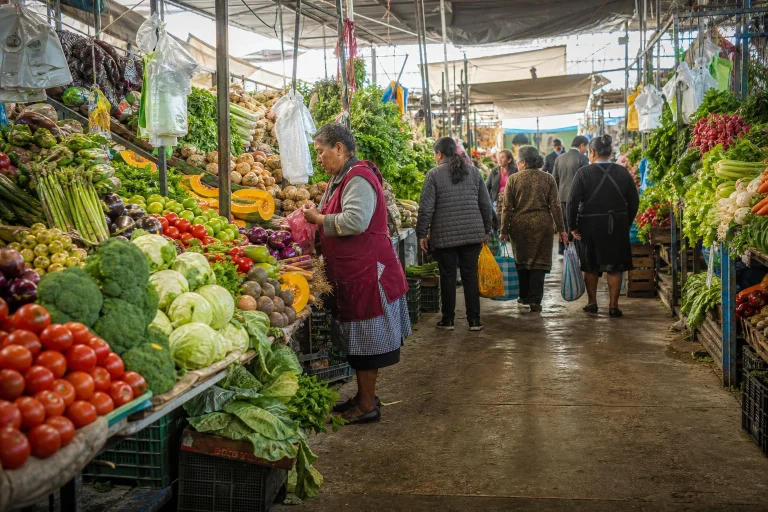
Begin with a market or huarique, the informal restaurant format that forms part of Lima’s dining fabric. Pick one appealing stop rather than turning the morning into a scavenger hunt. The point is to begin with a more everyday setting, observe the pace of local dining, and leave enough appetite for later. Keep this first choice flexible if your flight arrived late or your hotel check-in took longer than expected.
Still comparing Food Tours?
Ask for tour ideas, hotel suggestions, or a simple trip plan that combines both.
Trip Helper
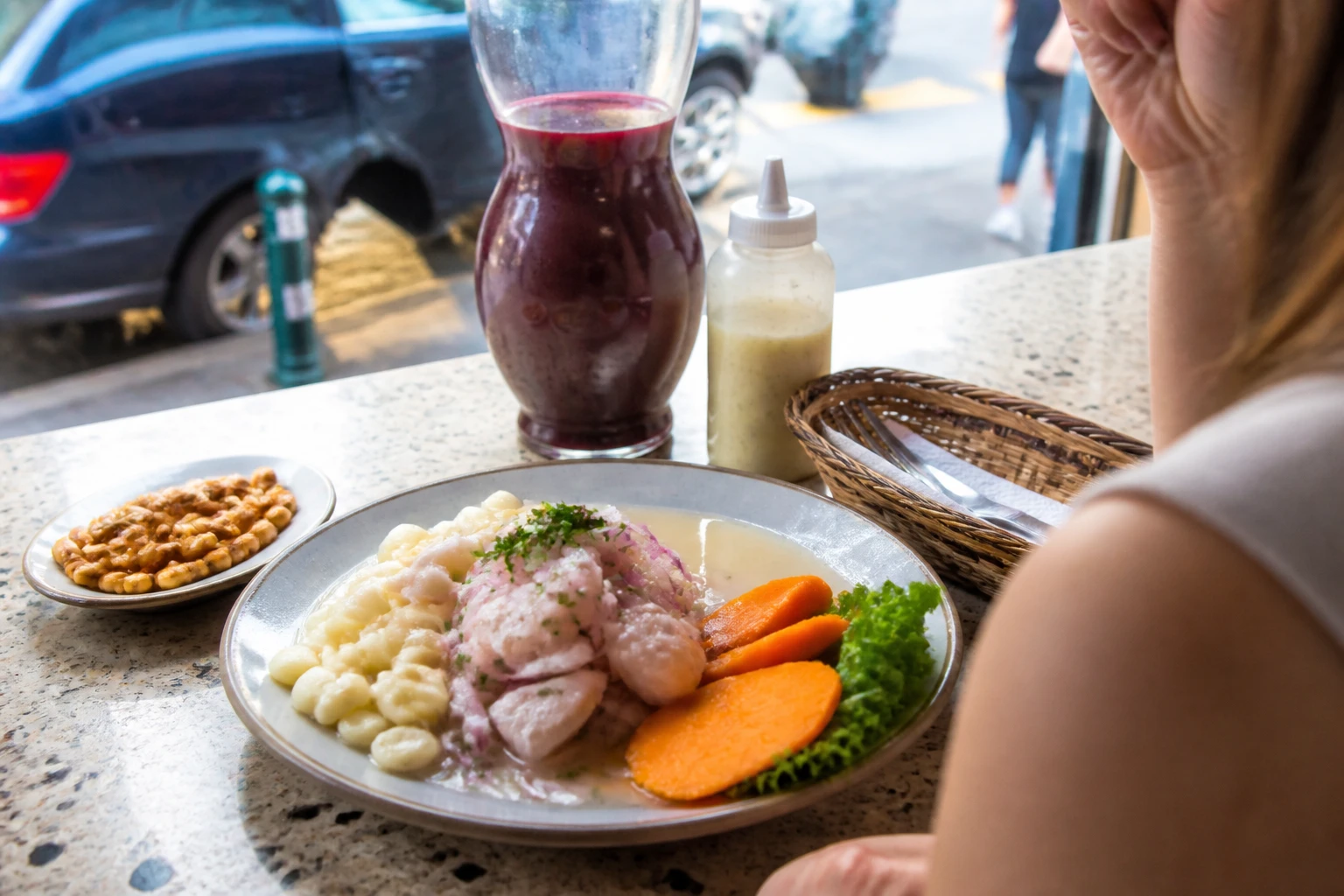
Make ceviche or tiradito the centerpiece meal
Give a cevichería its own meal window. Ceviche and tiradito are both central reference points in Lima cuisine, and a dedicated stop gives you time to choose thoughtfully rather than squeezing the experience between attractions. If a menu offers both, consider sharing or selecting smaller portions so the rest of the day remains enjoyable. The site’s guide on where to eat ceviche in Lima can help narrow your restaurant research before you go.
End with chifa or one more formal dinner
For the evening, choose a chifa or a more formal restaurant meal, not necessarily both. Chifas belong to Lima’s broad dining landscape, while Chinese influence is one of the strands woven into the city’s cuisine. A formal dinner can be a rewarding counterpoint after a market or huarique, but it should serve your appetite and energy, not an arbitrary quota. Check the venue’s current reservation policy and opening details before locking it into the itinerary.
Day 2: Pair Barranco’s food scene with a cultural walk
Barranco gives the second day a different texture. The district is known for its bohemian, artistic, and cultural character, and its tourism circuit brings together plazas, parks, passages, churches, and the Puente de los Suspiros. Instead of racing between scattered dining rooms, let one neighborhood hold the day together. A Barranco neighborhood guide can help you extend the walk around the food stops you choose.
Build a simple walking loop between meals
Choose one Barranco restaurant or café-style food stop as your anchor, then walk a manageable section of the district’s visitor circuit. Pause at the Puente de los Suspiros and shape the rest of the route around nearby plazas, parks, passages, and churches. The best pace is one that leaves room to notice the neighborhood rather than treating its streets as a corridor between tables. Travelers who prefer fewer transfers will find this approach especially practical.
Choose the restaurant style that fits your appetite
Barranco has both traditional and prominent restaurants, giving you room to decide what kind of meal belongs in your weekend. A traveler who went formal on Day 1 can use this meal for a less structured choice. Someone who began with casual eating can make it the weekend’s more considered dinner. Check current menus, hours, prices, and booking rules directly with each venue before committing, particularly if the meal is the centerpiece of your evening.
Leave room for one final food decision
Keep the weekend’s final food stop open until you know how the earlier meals have landed. You may want a small additional bite, another drink with a view of the neighborhood, or simply a leisurely final course at the restaurant you have chosen. Flexibility is more useful than a packed schedule. Lima rewards curiosity, but it also rewards the good sense to stop ordering when you are satisfied.
Choose the version of the itinerary that suits your travel style
- For maximum breadth, combine a market or huarique, a cevichería, a chifa, and one formal meal over two days.
- For a gentler pace, choose two major meals per day and make Barranco the main walking district.
- For a short stay, protect the cevichería meal and the Barranco half-day, then add only the dining formats that genuinely interest you.
- For mobility or energy concerns, reduce neighborhood changes and arrange transport between the few stops that matter most.
- For a market-led itinerary, use a Mercado Surquillo food tour as a focused planning reference instead of trying to improvise an entire morning.
The strongest plan is the one you can actually enjoy. Do not chase an identical number of stops each day, and do not feel obliged to choose a formal restaurant if the market, huarique, or chifa experience is what excites you most. Conversely, travelers drawn to a more polished meal can make that reservation first and organize the casual stops around it. Lima’s strength is the range of choices on the table.
Keep transport, timing, and personal security in the plan
Confirm restaurant hours and reservation rules close to your visit, then map only the transport moves you truly need. Current menus, meal prices, airport-bus details, and taxi fares are variable, so set your budget from current information rather than old travel posts. If you are choosing between a wider sweep of the city and a slower day in one area, choose the slower option when time, mobility, or comfort is limited.

Use ordinary big-city precautions throughout the weekend: minimize visible valuables, stay aware of your surroundings, and use official or prearranged transport from the airport. U.S. travelers should review the U.S. Department of State’s Peru advisory and any destination-specific alerts shortly before departure. The site’s Lima Safety and Transport Tips offers a practical local-planning companion for organizing taxis, walking, and arrival logistics.
Book the framework, then let the meals breathe
- Choose one fixed centerpiece meal for each day, if that is important to you.
- Add one market or huarique stop, one cevichería, and one chifa or formal restaurant choice around those anchors.
- Check each selected venue’s current hours, menu, reservation policy, location, and accessibility arrangements before departure.
- Review the airport’s current authorized transport options and settle the first transfer before your flight lands.
- Keep at least one meal decision open so the itinerary can follow your appetite and the day’s pace.
This itinerary suits travelers who want to understand Lima through several kinds of dining rather than chase a single headline meal. Its main limitation is deliberate: two days cannot cover every restaurant, market, or neighborhood. Start by securing the meals you care about most, use Barranco for an unhurried food-and-walking day, and let the city’s markets, cevicherías, huariques, chifas, and restaurants provide the rest of the story.
Frequently asked questions
How many meals should I plan for a Lima foodie weekend?
Plan a few distinct food experiences rather than trying to fit every category into every day. A market or huarique, a dedicated cevichería meal, a chifa, and one optional formal meal create a broad two-day introduction to Lima’s dining culture.
Do I need reservations for restaurants in Lima?
Check the reservation policy for every restaurant you want to visit, especially any meal that anchors an evening. Hours, reservation rules, and menus vary by venue, so confirm them before building the rest of the day around a table.
How should I travel from Jorge Chávez International Airport to my hotel?
Use an authorized taxi, Airport Express Lima, or other prearranged transport that fits your destination and arrival plans. Recheck airport transport stops, operating details, and fares immediately before travel, then avoid scheduling a tight first meal after landing.
Is Barranco worth including on a food-focused weekend in Lima?
Yes, Barranco is an excellent half-day or evening anchor for travelers who want dining alongside culture and walking. Its tourism circuit includes the Puente de los Suspiros, plazas, parks, passages, and churches, while the district also has traditional and prominent restaurants.
How can I plan a more accessible Lima food itinerary?
Limit the number of neighborhoods and confirm access needs with each venue and transport provider before you go. Jorge Chávez International Airport provides free accessibility and inclusion facilities, but access at individual restaurants, markets, vehicles, and streets is not uniform.
What safety steps should food travelers take in Lima?
Use ordinary urban precautions: keep valuables discreet, stay alert, and use official or prearranged airport transport. U.S. travelers should also review the Peru travel advisory and destination-specific alerts shortly before departure.