Complete Guide to Lima for First Timers
Your first hours in Lima can swing from misty cliffs in Miraflores to a bright ceviche lunch near the old center, and that contrast is the point. You’ll want a few smart basics before you go, like the best season, the right neighborhood, and enough soles for quick rides and coffee stops. Get those right, and Lima starts to click fast, with a few surprises waiting just past the first pisco sour.
Key Takeaways
- Visit from December to April for warm, sunny days; expect garúa and cool drizzle from June to October, so pack light layers.
- Plan 3–5 days, basing yourself in Miraflores for easy walks, cafés, restaurants, and quick access to the Malecón and Barranco.
- From Jorge Chávez Airport, prebook a transfer or use Uber; avoid street taxis, and expect roughly 30 minutes to central Lima.
- Carry Peruvian soles for markets and small purchases, use cards in Miraflores, and drink only bottled water without ice.
- Start with the Malecón, add Barranco for murals and coffee, and give the Historic Center half a day for Plaza Mayor.

Lima Airport Private Transfer to Miraflores & Barranco
Your driver meets you at the arrivals gate holding a sign with your name — Gate 9 for domestic flights, Gate 3 for international. No searching for t...
Lima Half-Day City Walking Tour (Small Groups)
Discover the city of Lima known as the "City of Kings"! We will visit the highlights of the Historic Center of Lima such as the Plaza de Armas, the Ca...
When Is the Best Time to Visit Lima?

For most first-time visitors, the best time to visit Lima is during summer, from December to April, when the city feels brighter, warmer, and much easier to explore. That Time of Year gives you sunny 81 to 85°F days, warm nights, and sunsets worth slowing down for. May and November work if you want a calmer Day with mixed skies. Winter brings garúa, cool 62 to 65°F afternoons, and drizzle, so your Best Things may look moodier. Travel Tips: stay at least one weekend, plan coastal walks when mornings clear, and don’t fear Lima’s light rain. Unlike mexico travel beach clichés, this desert capital stays mostly dry. If you bookmark ideas or share an email address with a hotel, you’ll sort reservations faster. A quick look at Lima weather by month can help you match your trip to the skies, temperatures, and coastal mood you want most.
What Should You Pack for Lima Weather?
Lima rewards a suitcase built on layers, not bulk. You’ll pack versatile layers for Lima’s coastal desert climate all year. Summer days from December to March feel warm, around 81 to 85°F, yet evenings slip to 66 to 70°F, so a light jacket still earns space. In winter, garúa rolls in from June to October. Days stay cool and damp near 62 to 65°F, and nights can feel downright chilly at 53 to 59°F. You won’t need serious rain gear because Lima stays mostly dry, but mist and fog are regular travel companions. Bring a day bag or sling for water, sunglasses, and snacks on long walks. Don’t skip travel adapters, Type A and C, plus toiletries. Some hotels won’t stock the basics for you. A simple Lima packing list can help you remember those essentials without overpacking.
How Many Days Do You Need in Lima?
A long weekend plus a couple of extra sunsets usually does the trick, because you can see Lima well in 3 to 5 days without turning the trip into a sprint. For most first visits, 3–5 days lets you settle into Miraflores, follow one or two walking routes, and linger over ceviche at lunch instead of racing your fork. Add one Barranco afternoon for murals, sea air, and coffee. If you want more history, give the Historic Center half or a full day for Plaza Mayor and the San Francisco Convent. Stretch to four or five days if museums and catacombs call your name. Save 5–7 days only if you’re adding day trips or using Lima as a landing in a longer Peru itinerary. If you’re planning to skip driving, local travel tips can make it much easier to move between neighborhoods without a car.
Which Lima Neighborhoods Suit Your Trip?
Where you stay will shape your trip as much as your sightseeing list, because each neighborhood sets a different pace. For a first time visit, think about what kind of days and nights you want, then match the mood.
Choose your neighborhood carefully; in Lima, where you stay shapes the rhythm of your days as much as your must-see list.
- Miraflores feels easy, walkable, and busy, with cafés, great food, and quick access to the Malecón.
- Barranco gives you murals, the Bajada de Baños, sea air, and more late-night noise.
- San Isidro feels calmer and polished, with upscale restaurants and slower evenings.
- The Historic Center shines for history, but it usually works better as a day trip than a base.
For many travelers, Miraflores or Barranco balance convenience and character nicely. Split time if you want both calm and action without taxi roulette every hour. This matches common advice on first-time visitors choosing where to stay in Lima.

Private Full-Day Best of Lima Tour
For the traveler who only has one day to spare in the capital city, this is the perfect tour for you! We'll cover al...

Lima Bike Tour in Miraflores & Barranco - Shared small group
Discover the most touristic districts of Lima by bike: Miraflores & Barranco. On this adventure you will be able to...

3-Day Tour to Machu Picchu from El Callao Port Lima
Discover the wonder of Machu Picchu on an unforgettable journey designed exclusively for cruise passengers docking a...
Where Should First-Timers Stay in Lima?
For your first stay in Lima, you’ll usually have the easiest time in Miraflores, where you can walk to cafés, restaurants, and the breezy Malecón without much fuss. If Barranco pulls you in with murals, music, and colorful streets, you’ll get a more bohemian mood and livelier nights, though it works best when you keep your late-night wandering sensible. You’ll also find plenty of solid places to sleep in both areas, from social spots like Pariwana Hostel Lima and Dragonfly Hostels Barranco to easy upscale picks like Aloft Lima Miraflores and Hotel Antigua Miraflores. If you want a quick way to compare the city’s vibe before booking, a Lima neighborhoods guide can help you decide between Miraflores and Barranco.
Best Areas For Beginners
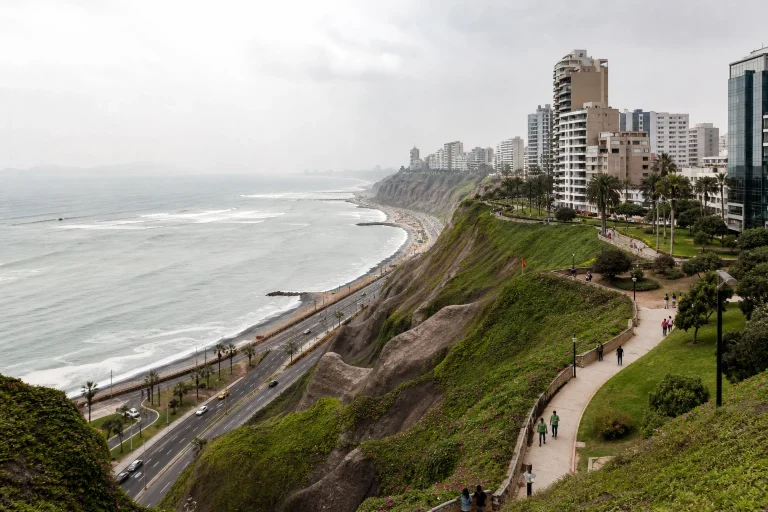
If you want the easiest landing spot in Lima, start with Miraflores. It’s the most walkable and convenient base, with the Malecón, cafes, and restaurants close by, so your first days feel simple, not like a scavenger hunt. The Miraflores Boardwalk is especially useful for first-timers, since it links parks, ocean views, and easy walking routes along the coast.
- Pick Miraflores for smooth logistics and coastal strolls.
- Choose San Isidro if you want quieter streets, longer-stay comfort, El Olivar, and the Lugar de la Memoria.
- Stay in Barranco for bohemian color and evening energy, but expect some streets to get louder later.
- Treat the Historic Center as a day trip, not your base.
If you want balance, split your stay between San Isidro and Miraflores. You’ll trade a couple taxi rides for calmer sleep and a polished feel. It works well.
Miraflores Vs Barranco
How do you choose between Lima’s smooth operator and its moody artist? For a first-trip base, you’ll usually want Miraflores. It feels central, walkable, and easy, with the Malecón de Miraflores nearby plus dependable cafés and restaurants for ceviche lunches and coffee breaks. Arabica Café helps, and Central tempts you after sunset too. If you’re following a three-day itinerary, Miraflores also makes day-to-day planning much easier.
| Area | Why you’ll pick it |
|---|---|
| Miraflores | Best for calm logistics, classic meals, and daily strolling |
| Barranco | Best for street art, standout dinners, coastal vibes, and some nightlife noise |
Barranco charms you with color and edge, but it works better as an afternoon or evening add-on. You’ll save energy and keep days simpler. If you split time, stay mostly in Miraflores, then dip into Barranco.
Hotels And Hostels
Once you’ve picked your side in the Miraflores versus Barranco debate, choosing a bed gets much simpler. For a first trip, you’ll usually do best in Miraflores, where cafés, restaurants, and the breezy Malecón sit within easy walks. If you’re arriving late or hauling luggage, it also helps to understand Lima Airport transfers to Miraflores before choosing your base.
- Choose Miraflores if you want the easiest base and a reliable hotel scene.
- Try San Isidro if you prefer quiet streets, longer stays, and remote work days.
- Pick Barranco for murals, bars, and bohemian nights, but expect some noise.
- Book Hilton Lima Miraflores or Pullman Miraflores for polished comfort, or a hostel like Dragonfly Hostels Barranco, Pariwana Hostel Lima, or The Lighthouse Bed and Breakfast if you want charm and budget flexibility. You’ll trade a few taxi rides in San Isidro for calm, or songs in Barranco.
Still comparing Lima Airport Transfer And First Time City Planning?
Ask for tour ideas, hotel suggestions, or a simple trip plan that combines both.
Trip Helper
How Do You Get From Lima Airport?
Land at Jorge Chávez International Airport and you’re only about 7.5 miles (12 km) from downtown Lima, though the trip can feel very different depending on your ride. If you want the simplest route, book airport transfers or call an Uber. In normal traffic, you’ll usually reach central Lima in about 30 minutes. Headed to Miraflores? Those direct options still make the most sense, since the coast can feel farther than the map suggests.
You can save money on a city bus, but expect a slow haul of around two hours to the center, sometimes longer. There’s no standard airport rail link. Once you’re in town, though, the Metro helps with longer hops, and you’ll need a rechargeable card from a station to ride it. If you need help after landing, the airport’s Transportation and Parking information section can point you to current ground access options.
How Do You Get Around Lima Safely?
If you keep your transport choices simple, Lima feels much easier to navigate safely. In Miraflores and Barranco, open Uber or Didi and skip a street taxi.
- Use Uber or Didi for rides between cafes, cliffs, and museums.
- In outer districts, ask your hotel to call a taxi, or book Didi instead.
- Try the metro when you want something clean, fast, and affordable; stations sell rechargeable cards.
- Leave public buses for later, since routes aren’t posted and schedules can feel like a guessing game.
From the airport to central Lima, Uber often takes about thirty minutes, while city buses can stretch toward two hours in traffic. Lima’s public transit is manageable once you stick to a few easy options and avoid overcomplicating routes. Holiday crowds can make everything feel slower. Plan ahead around July 28 and 29.
What Should You Know About Money and Water in Lima?
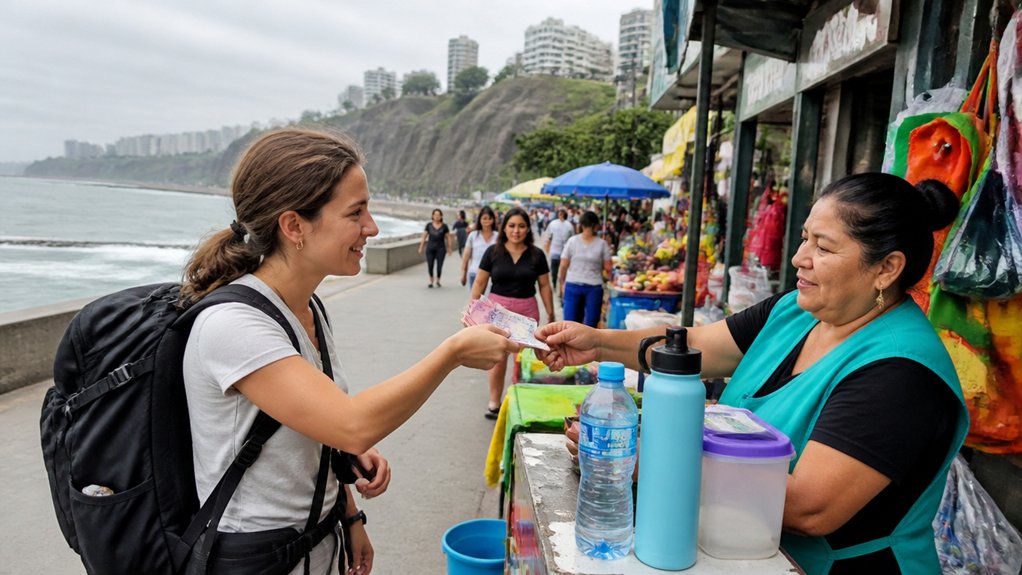
You’ll want a few Peruvian soles in your pocket, whether you get them from the airport ATM or one in Miraflores, because small purchases get easier fast. You’ll also want to treat Lima’s tap water as off-limits, skip the ice, and say “Sin hielo, por favor” when a cold drink lands on the table. For more practical budget travel tips, plan to use cash for markets, buses, and other everyday expenses where cards may not be accepted. Once you’ve got cash sorted and bottled water in hand, the city feels smoother, from a ceviche lunch to that first long walk by the gray Pacific.
Cash And Cards
While Lima feels polished in neighborhoods like Miraflores, it still runs on a mix of card taps and folded bills, so carry some Peruvian soles with you. Vendors move fast, so small bills help. You’ll also dodge awkward change hunts at crowded counters during lunch rushes daily.
- Use cash at many street food stalls and market counters.
- Save cards for upscale restaurants and polished shops in Miraflores.
- Withdraw soles at airport ATMs or busy, well-lit spots, and keep pulls modest.
- Skip tap water, ice, and uncertain tooth-brushing rinses if you’re unsure.
Bottled drinks are the easy default. At lunch, pick reputable cevicherías when fresh fish is calling your name. It’s a simple system once you settle in, and it keeps your day moving smoothly. These Lima travel tips can make your first days in the city feel much easier.

All-Inclusive Highlights of Lima Tour
This tour is special because in around 8 hours you will have the opportunity to explore the most beautiful places of...

Lima City, Central Market & Catacombs Tour (Pick-up & Drop Off)
We pick you up from your hotel to head to Historic Center, where we are starting our walking and first stop will be...

Lima by night including Catacombs & Water Show Tour
On this night visit, you will get to learn about local life in Lima but also about the history of our beautiful coun...
Drinking Water Safety
Two small habits make Lima much easier: carry bottled water and keep a little cash in Peruvian soles. In Lima, skip drinking tap water, even for brushing your teeth, and use bottled water instead. When you order juice, soda, or a pisco sour, ask for sin hielo, por favor, because ice is often made from tap water. That simple phrase helps your safety more than any travel gadget. Cards work in many polished restaurants, but markets, street food stalls, and kiosks near public beaches often prefer cash. Withdraw soles at the airport or in Miraflores, then keep small bills handy for snacks and taxis. You’ll feel freer moving through the city, hearing surf and traffic mix, without hunting for change or risking an unhappy stomach. Before your trip, get appropriate travel insurance that covers your itinerary, activities, and emergency expenses, and sign up for travel advice updates if your plans extend beyond Lima.
What Should You Do on Day One in Lima?
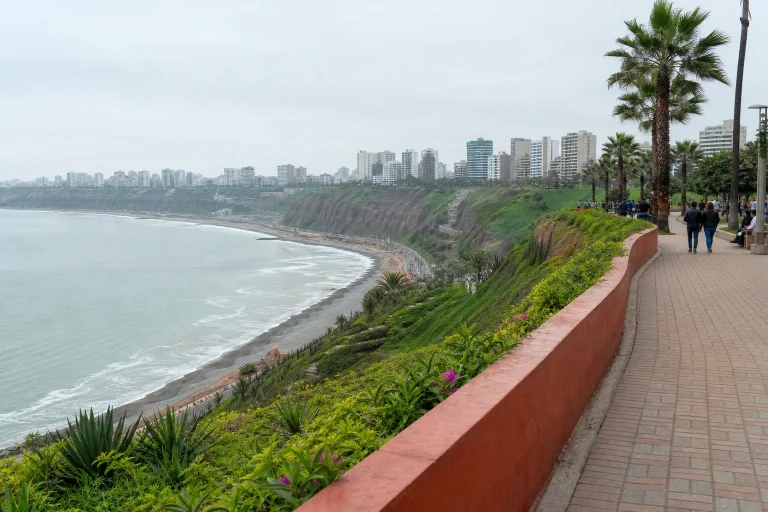
If Lima feels big on your first morning, start with the sea. The Malecon gives your trip an easy reset, with Pacific air, cliff views, and enough space to make day ONE feel simple.
- Walk the Miraflores and Barranco stretch early. It turns a beach day into a calm city introduction.
- Eat lunch at a trusted cevichería. Order Peruvian ceviche with lime, red onion, cilantro, and ají. Morning fish matters.
- Pause in Miraflores at Parque Kennedy for cat watching, then grab a latte at Arabica Café. This Guide approves sugar with caffeine.
- If you’re curious, slip into MATE for a quick cultural detour. End at Parque del Amor for sunset, watch paragliders glide overhead, then toast Lima with a pisco sour.
This one day itinerary works especially well for first timers who want to see Lima without overcomplicating their arrival.
Which Lima Sights Are Worth Your Time?
You’ll get the best feel for Lima by splitting your time between the Historic Center’s big landmarks, the ocean views along the Malecon, and the city’s ancient ruins and small museums. You can save the center for a day trip, stroll the clifftops in Miraflores and Barranco at sunset, and keep an eye out for paragliders lifting off near Parque del Amor. Then you can jump back even further in time at Huaca Pucllana, where a 4th-century adobe temple rises from modern streets like Lima’s way of showing off. It’s one of Lima’s most surprising archaeological sites, and Huaca Pucllana offers a striking glimpse of the city’s pre-Columbian past right in the middle of Miraflores.
Historic Center Highlights
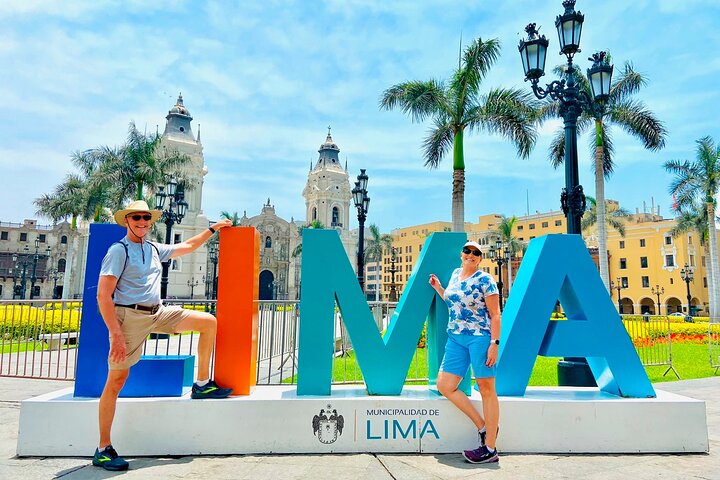
While Lima’s Historic Center can feel chaotic at first, it’s worth tackling with a simple daytime plan: start at Plaza Mayor, the colonial heart of the city, where buskers, vendors, and camera-toting crowds pack the square from edge to edge.
- Treat Plaza Mayor (Plaza de Armas) as your anchor.
- Step into the Cathedral of Lima for carved wood, chapels, and grand colonial detail.
- Walk to the San Francisco Convent and its underground catacombs, stacked with roughly 25,000 bodies.
- Keep this Historic Center route day-visit only, and don’t wander far after dark.
The area’s checkerboard layout preserves Lima’s original Spanish colonial urban design from its 1535 foundation.
You’ll see the best old-Lima hits in one tidy loop, with church bells, stone facades, and a little mortality lesson underfoot through busy old streets.
Coastal Views And Malecon
Sea air changes the mood fast on Lima’s Malecón, a clifftop promenade where the city trades inland bustle for wind, gulls, and the steady hush of the Pacific below. This clifftop seaside promenade stretches about six miles, so you can walk part of the Malecon route for easy coastal views or turn it into a breezy workout. Go near sunset, when Pacific ocean views glow and the cliffs look softer. It’s one of Lima’s classic sunset spots, especially around Miraflores when the sky turns gold over the Pacific. If you want extra altitude, book a paraglide near Miraflores and Parque del Amor for a playful look straight down the coast. You can also link the Malecón with nearby parks and viewpoints for a simple Lima afternoon. Bring a light layer. The breeze has opinions. You’ll thank yourself when the fog rolls in.
Ancient Ruins And Museums
A city this layered doesn’t tuck its history behind glass. In Lima, you can step from traffic into Huaca Pucllana (Miraflores), a 4th century adobe archaeological site that feels surreal beside sleek towers. The Pucllana Site Museum, inaugurated in 1984, adds excavated artifacts, guided visits, and an archaeological circuit that deepens the stop beyond the ruins themselves. Go before 10 AM, when the light is softer and the city hasn’t fully revved up.
- Head to Pachacamac, 18 miles out, for vast temples and ocean air.
- Explore the San Francisco Convent and Catacombs in the Historic Center for Baroque rooms and 25,000 quiet residents.
- Stop by Museo MATE – Mario Testino to see contemporary Peru framed for the world.
- End at Circuito Magico del Agua (Parque de la Reserva), where 13 music synced fountains remind you museums aren’t the only way cities tell stories after dark, with a splash.
Where Should You Eat and Drink in Lima?
If you want to understand Lima quickly, start at the table, because this city takes lunch, seafood, and coffee breaks very seriously. For ceviche, go early to Punto Azul in Miraflores when doors open at 11AM, because there are no reservations and the line forms fast. If you want a polished seafood lunch, book La Mar Cevichería instead. For lomo saltado, settle into Panchita, where generous criollo plates hit the table sizzling, but reserve ahead or you may wait an hour. Later, take a breather at Arabica Café with a latte and something sweet. At dinner, order a pisco sour and watch Lima loosen up around you. If you’re here in early February, you might even catch the city’s pisco celebrations on some weekends. If you want a broader taste of the city in one outing, one of the best Lima food tours can introduce you to unforgettable local flavors.
Which Lima Cafes and Markets Should You Try?
Where should you pause between long walks and big lunches? Lima gives you tasty detours, and each stop feels like a neighborhood lesson.
- Start at Arabica Café in Miraflores for Peruvian coffee. Order a latte and a sweet treat.
- Try Mo Bistro on Angamos Oeste. Its natural seasonal menu changes monthly, so you can return without repeating lunch.
- Visit La Panetteria Barranco for vegetarian and vegan plates. Staff explain the options, which saves you from guessing.
- On Sunday, browse the Local Sunday Organic Market for Tarwi (hummus), Muña Cambucha, and lucuma drinks. In Surquillo cash helps at stalls, and polite price questions work better than bargaining. You’ll hear blenders whir, cups clink, and vendors chat over crates of fresh produce.
These stops fit well into a broader plan for where to eat in Lima without losing the neighborhood feel.
Frequently Asked Questions
Do I Need Spanish to Get Around Lima Easily?
No—you don’t need much Spanish, but you’ll get around Lima easier with Basic phrases, taxi tips, public transport, safety basics, currency handling, digital maps, and dining ordering; they’ll help you avoid mistakes and travel confidently.
Are Museums and Shops Closed on Certain Days?
Yes, you’ll face Local holiday closures; Sunday trading hours, public museum schedules, shop reopening times, best days to shop, seasonal closures, and festival impact on hours all vary, so you should check official listings early.
Can I Visit Lima With Kids Comfortably?
Yes—you’ll feel comfortable: choose family friendly neighborhoods, use kid friendly transport, follow stroller parking tips, seek safe beach suggestions, enjoy parks and playgrounds, know where to eat simply, and check healthcare for travelers beforehand too.
What Cultural Etiquette Should First-Time Visitors Know?
Know Respectful greeting, public behavior, dining manners, tipping norms, religious sites, photography courtesy, and local bargaining: you’ll wave openly, bargain politely, avoid tap-water ice, dress modestly in churches, ask before photos, and keep interactions calm.
Which Easy Day Trips Can You Take From Lima?
You can take Isla Day Trips, Paracas Planning outings, Huacachina Visits, Chincha Highlights, Pachacamac Stops, Callao Port Tours, and Miraflores Coast Walks; you’ll get wildlife, desert thrills, history, seaside views, and easy logistics from Lima.
Conclusion
You’ve got everything you need to land in Lima with confidence. Base yourself in Miraflores or Barranco, chase ceviche and pisco sours, and give the Historic Center, Huaca Pucllana, and the Malecón their due. Pack for sun or garúa, keep soles handy, and call an Uber when the hills feel long. In three to five days, you’ll get the lay of the land and still easily leave hungry for more, with salt on your lips.
Lima Airport Private Transfer to Miraflores & Barranco
Your driver meets you at the arrivals gate holding a sign with your name — Gate 9 for domestic flights, Gate 3 for international. No searching for t...
Lima Half-Day City Walking Tour (Small Groups)
Discover the city of Lima known as the "City of Kings"! We will visit the highlights of the Historic Center of Lima...

The Complete Lima Experience: History, Culture & Flavors
Get the Best of Lima with us! If you have only one day in Lima and want to make the most of it, this is your chance...
All-Inclusive Highlights of Lima Tour
This tour is special because in around 8 hours you will have the opportunity to explore the most beautiful places of...